How to Choose a Barbell for CrossFit: A Buyer's Guide for Maltese Home Gyms
27 Aug 2026
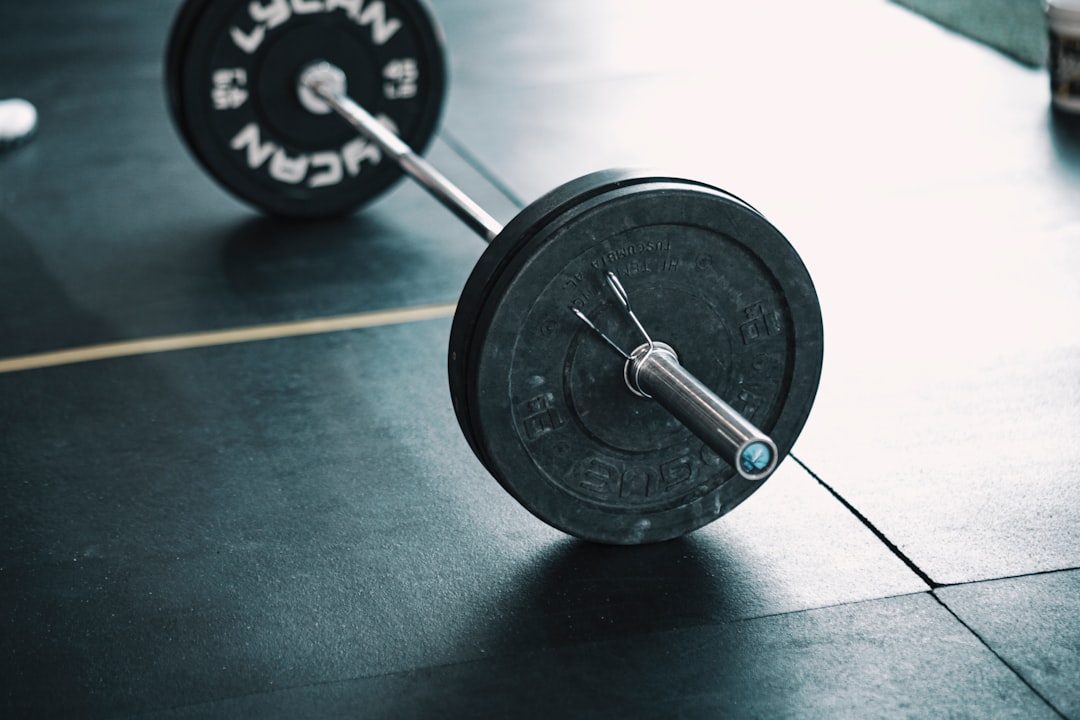
You've cleared a corner of the garage in Marsascala, or a spare room in Attard, and now there's a barbell-shaped hole in your setup. The problem is that "barbell" covers everything from a rusty €60 bar that bends looking at it, to a €400 competition piece that spins like a fidget toy. For CrossFit specifically — where the same bar has to survive snatches, high-rep cleans and being dropped from overhead onto bumper plates — the wrong choice is an expensive mistake you feel every session.
This is a plain-language guide to how to choose a barbell for CrossFit, built around the five specs that genuinely change how a bar performs: knurling, whip, spin, shaft diameter and coating. No marketing jargon, no hype — just what each number means in your hands, and a decision table matching bar types to real budgets and the small home gyms most of us train in on the islands.
First, why a CrossFit bar is its own thing
A dedicated powerlifting bar is stiff and aggressive; a pure Olympic weightlifting bar is whippy and precise. A CrossFit bar is the diplomat between them — it has to handle Olympic lifts and grinding strength work, tolerate being dropped repeatedly, and stay usable when your hands are sweaty and your grip is fading at rep 30. That "do everything, survive anything" brief is exactly why the spec choices below matter more than the logo on the sleeve.
Before you spend a cent, confirm one thing: you want a standard Olympic barbell with 50mm sleeves, not a cheap "standard" bar with 25mm sleeves. Almost all quality bumper plates and iron plates are drilled for 50mm sleeves, so this is non-negotiable if you ever want to train with proper CrossFit equipment.
The five specs that actually matter
1. Knurling — the grip
Knurling is the crosshatch pattern machined into the shaft. It's the single spec you'll notice first and complain about longest if it's wrong.
- Aggressive knurling bites hard and holds your grip when sweaty, but shreds palms during high-rep cycling (think Grace or a long AMRAP of cleans).
- Passive/soft knurling is kinder on the hands over volume but can feel slippery under a heavy single.
- A medium "hill" knurl is the sweet spot most CrossFit bars aim for — enough grip to trust, not enough to flay you.
Also check the centre knurl. A bar with a centre knurl grips your shirt (and neck) during low-bar squats but can scrape your throat on cleans. Many CrossFit bars use a faint centre knurl or none at all to keep front-rack work comfortable. If you're buying one bar for everything, a light-to-no centre knurl is usually the friendlier call.
Practical tip: if you can't handle the bar in person, look for the terms "dual knurl marks." A bar with both powerlifting and weightlifting knurl rings gives you reference points for both disciplines — handy for a mixed CrossFit setup.
2. Whip — how much the bar flexes
Whip is the springy flex you get when a loaded bar oscillates — you'll see it as the bar "bounces" out of the bottom of a clean or at the top of a snatch. Good whip helps well-timed Olympic lifts; too much whip makes heavy strength work feel unstable.
- More whip suits athletes who train the Olympic lifts often and lift heavy enough to load the bar meaningfully.
- Less whip (stiffer bar) feels more secure for deadlifts, squats and lower-load training, and for lifters still building up their numbers.
Whip is influenced by the steel's tensile strength — the number you'll see quoted in PSI. As a rough guide, quality CrossFit bars sit around 190,000 PSI or higher, with premium bars reaching 200,000+ PSI. Higher tensile strength means the bar can flex and return without taking a permanent bend, which matters enormously for a bar that gets dropped. Below roughly 150,000 PSI, be cautious — that's where cheaper bars start to develop a permanent bow.
For most Maltese home-gym lifters who aren't yet snatching bodyweight-plus, whip is the spec to worry about least in isolation. Prioritise tensile strength (durability) and treat pronounced whip as a nice-to-have you'll grow into.
3. Spin — how the sleeves rotate
When you catch a clean or snatch, the plates keep spinning while your wrists rotate under the bar. Good sleeve rotation lets that happen smoothly, protecting your wrists and elbows. There are two systems:
- Bushings (usually bronze or composite): durable, lower-maintenance, quieter, and cheaper. Spin is smooth but not lightning-fast. For most CrossFit training this is completely sufficient.
- Bearings (needle bearings): fast, frictionless spin favoured for fast Olympic lifting and competition. They cost more, can be noisier, and need slightly more care.
Here's the honest take for a home gym: unless you're an advanced weightlifter chasing marginal gains, a well-made bushing bar gives you 90% of the feel for a fraction of the cost and hassle. Bearings are a luxury, not a requirement, for the vast majority of CrossFitters.
4. Shaft diameter — the thickness in your hand
Diameter changes how the bar feels to grip and how much it whips. The standards are worth memorising:
- 28mm — the men's Olympic weightlifting standard. Thin enough for a secure hook grip, ideal for Olympic lifting.
- 28.5mm — a common CrossFit compromise: slightly stiffer than 28mm, still comfortable for cleans and snatches. A very safe default for a do-everything bar.
- 25mm — the women's Olympic standard, paired with a 15kg bar (versus the 20kg men's bar).
- 29mm+ — powerlifting territory. Stiffer and thicker; less pleasant for high-rep Olympic work.
If you have smaller hands, a 25mm or 28mm shaft will feel more secure, especially for the hook grip. Couples and families sharing a garage gym often buy one 20kg and one 15kg bar so both partners train with an appropriately sized bar — worth planning for if space and budget allow.
5. Coating — corrosion protection and feel
Coating protects the steel from rust and subtly changes grip feel. This one matters a lot in Malta: our coastal humidity and salt-laden air are brutal on bare metal, and a garage a few streets from the sea is a rust factory. Prioritise corrosion resistance accordingly.
- Bare steel: best raw grip feel, cheapest, but rusts fastest. A poor pick for a humid Maltese garage unless you're diligent with a wire brush and oil.
- Black oxide: good feel, modest corrosion resistance, needs regular maintenance.
- Zinc (bright or black): better corrosion resistance at a mid price; grip feel slightly muted versus bare steel.
- Cerakote: excellent corrosion resistance and comes in colours; the shaft is usually left bare or knurl-only so grip stays honest. Strong choice for our climate.
- Stainless steel: the gold standard — near-bare-steel grip feel with outstanding corrosion resistance and no coating to wear off. It's the most expensive, but arguably the best value over a decade near the coast.
For a home gym anywhere near the water — which in Malta is most of them — spend up on stainless, cerakote or at least a good zinc. It's cheaper than buying a rusty bar twice.
Match the bar to your space and budget
Specs are only half the decision. The other half is honest about your space, your training and your wallet. Most Maltese home gyms are compact — a single garage bay, a terrace corner, or a spare room — so bar length and drop tolerance matter as much as spin.
A standard 20kg men's bar is about 2.2m long; the 15kg women's bar is around 2.01m. Measure your rack width and ceiling height (for overhead work) before you buy. If you're tight on space, you may need a shorter "training" bar or a compact rack layout — but be aware short bars limit plate loading.
Decision table: which bar type fits you
- Entry / tight budget (do the basics well): A 20kg bushing bar, 28.5mm shaft, zinc or black-oxide coating, ~190,000 PSI. Best for beginners and general fitness. Handles WODs, strength work and learning the lifts. Watch the coating if you're near the sea.
- Mid-range / most CrossFitters (the sweet spot): A 20kg (or 15kg) bushing or hybrid bar, 28–28.5mm, cerakote or stainless sleeves, 190,000–200,000+ PSI, dual knurl marks, no aggressive centre knurl. This is the "buy once" bar for the majority of home gyms. Durable, corrosion-resistant, comfortable for both Olympic and strength work.
- Advanced / Olympic-focused: A needle-bearing bar, 28mm (men) / 25mm (women), stainless or premium coating, high tensile strength. Best if you're regularly snatching and cleaning heavy and want competition-like spin. Overkill for occasional lifters.
- Couples / shared family gym: One 20kg and one 15kg bar so everyone trains with the right diameter and weight. Match coatings for consistent feel.
- Very small / multi-use rooms: Prioritise a durable bushing bar and a compact rack; be realistic that full 2.2m bars need clearance on both sides for plate loading.
A quick pre-purchase checklist
- Sleeves are 50mm (Olympic) — so your bumpers fit.
- Tensile strength around 190,000 PSI or higher — for drop durability.
- Coating suited to coastal humidity — stainless, cerakote or good zinc.
- Knurl comfort — medium grip, minimal or no centre knurl for front rack.
- Correct diameter — 28–28.5mm for men's/general, 25mm for the 15kg women's bar.
- Spin you'll actually use — bushings for most, bearings only if Olympic-focused.
- Space check — bar length versus rack width and room clearance.
- Warranty — a lifetime-against-bending warranty signals the maker trusts the steel.
Don't forget the surface under the bar
A great CrossFit bar is designed to be dropped — but only onto bumper plates and rubber flooring, never bare iron plates onto concrete. Dropping a loaded bar with iron plates, or onto a hard floor, can bend even a good shaft and will crack your slab. Budget for quality rubber matting as part of the bar purchase, especially in a rented garage where the floor isn't yours to gamble with. It also keeps the peace with the neighbours — sound and vibration travel through terraced walls.
The bottom line
If you remember nothing else about how to choose a barbell for CrossFit, remember this order of priorities for a Maltese home gym: durability (tensile strength), corrosion resistance (coating), then feel (knurl and diameter), and spin last. A well-made bushing bar with a corrosion-resistant coating and honest knurling will outlast cheaper bars and out-train fancier ones for 95% of us.
Buy the bar that fits your space, survives your climate and feels good in your hands at rep 30 — then spend the years making it earn its keep. A good bar isn't the expensive part of the journey; it's the one piece of kit you'll touch every single session, so it's worth getting right the first time.
Frequently asked questions
What size barbell is best for CrossFit in a home gym?
A standard Olympic bar with 50mm sleeves is essential so your bumper plates fit. Most men choose a 20kg bar with a 28mm or 28.5mm shaft, while the women's standard is a 15kg bar with a 25mm shaft. The 28.5mm shaft is a safe, do-everything default for mixed CrossFit training.
Do I need a bearing barbell or is a bushing bar fine?
For the vast majority of CrossFitters, a well-made bushing bar is completely sufficient and gives most of the feel for far less money and maintenance. Needle-bearing bars offer faster spin favoured by advanced, Olympic-focused lifters, but they're a luxury rather than a requirement for home training.
Which barbell coating is best for Malta's humid, coastal climate?
Prioritise corrosion resistance. Stainless steel is the gold standard, combining near-bare-steel grip with excellent rust protection. Cerakote is a strong, colourful alternative, and a good zinc coating is a solid mid-price option. Avoid bare steel near the sea unless you're diligent with maintenance.
What tensile strength should a CrossFit barbell have?
Look for around 190,000 PSI or higher, with premium bars reaching 200,000+ PSI. Higher tensile strength means the bar flexes and returns without taking a permanent bend, which matters because CrossFit bars get dropped repeatedly. Be cautious with bars below roughly 150,000 PSI.
Can I drop a CrossFit barbell on any floor?
No. CrossFit bars are built to be dropped, but only when loaded with bumper plates and landing on rubber flooring. Dropping iron plates or hitting bare concrete can bend the shaft and damage your floor, so budget for quality rubber matting alongside the bar.