How to Choose Kettlebells for Hyrox and CrossFit: A Buyer's Guide for Maltese Home Gyms
27 Aug 2026
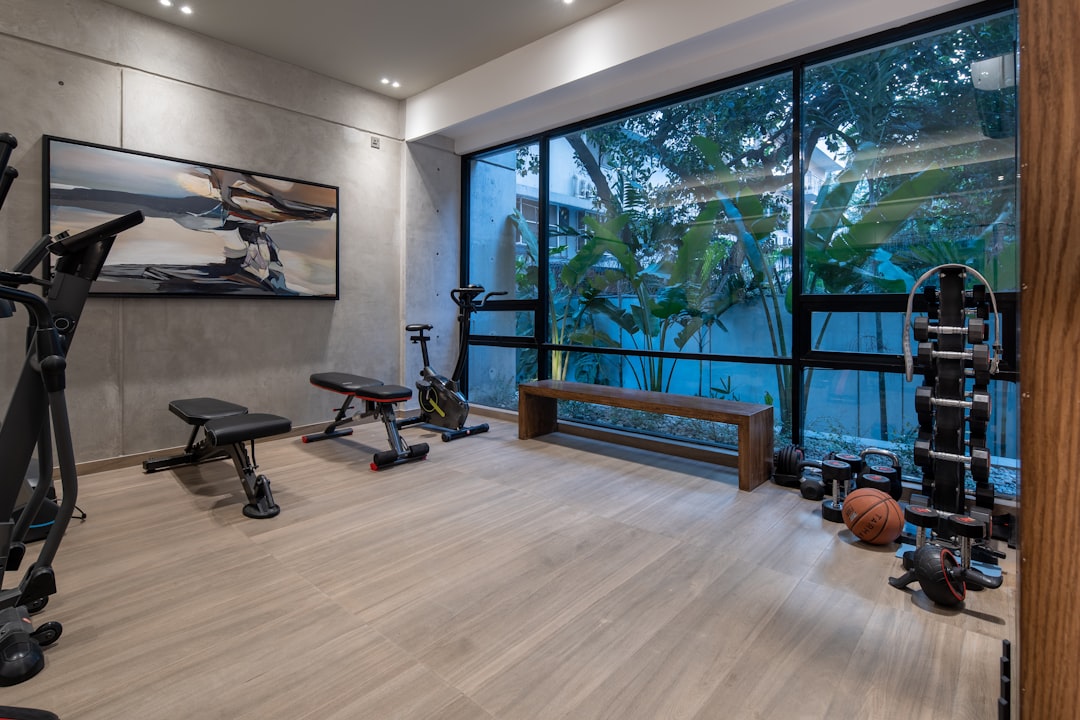
You've got maybe four square metres of free floor in a Sliema apartment, a Hyrox race circled on the calendar, and a WOD-shaped hole in your evenings. A rack of barbells isn't happening. But two or three well-chosen kettlebells? That fits under the stairs, survives tiled floors, and covers swings, carries, presses and squats without complaint. The question isn't whether to buy kettlebells — it's which ones, and in what order.
This guide walks through exactly how to choose kettlebells for Hyrox and CrossFit when space and budget are tight, mapping competition-standard weights to what you should actually buy first, and comparing cast-iron, competition and adjustable bells for the movements you'll really do.
Start with the competition standards
Before you buy anything, anchor your choices to the weights you'll be tested on. In Hyrox, the kettlebell you carry depends on your division. Women Open carry 2 x 16 kg (32 kg total) and Men Open carry 2 x 24 kg (48 kg total), while Women Pro share that same 2 x 24 kg load and Men Pro carry 2 x 32 kg (64 kg total).
That's the whole story in three numbers: 16, 24 and 32 kg. The Hyrox farmers carry is a doubles station, so where the standard applies you technically need a matched pair. The farmers carry is Station 6 in the standard Hyrox event order, arriving mid-race when accumulated fatigue is beginning to compound. Grip is usually what breaks first, which is a big clue about what to train — and what to buy.
CrossFit leans on the same weight family. The classic benchmarks use the 24 kg (53 lb) bell for men and 16 kg (35 lb) for women in swings, snatches, goblet squats and the American swing overhead. So if you buy for Hyrox, you're already buying for CrossFit. Convenient.
Why grip is the hidden variable
In a Hyrox farmers carry, the forearm flexors and grip muscles must sustain tension across 200 m under load, often while already fatigued from earlier stations, and standard gym programming underdevelops these muscles. The practical takeaway: a bell that punishes your hands in training builds the exact endurance the race demands. Handle shape and finish matter as much as the number on the side.
What to buy first: a simple ladder
You don't need a full set. You need the right two or three bells for your bodyweight, your division and the movements you repeat most. Here's a sensible buying order for a Maltese home gym.
If you're a woman training for Hyrox Open or general CrossFit
- First buy: a 16 kg. This is your race weight for the farmers carry and your bread-and-butter swing/goblet/snatch bell.
- Second buy: a second 16 kg. A matched pair unlocks the doubles farmers carry, double-bell front squats and double presses.
- Third buy: a 12 kg or a 24 kg. Go lighter (12 kg) for high-rep conditioning and Turkish get-ups, or heavier (24 kg) if you're eyeing Pro or heavy swings.
If you're a man training for Hyrox Open or general CrossFit
- First buy: a 24 kg. Your farmers-carry standard and the CrossFit default for swings and snatches.
- Second buy: a second 24 kg. Doubles carries and double front squats — the pair does most of the heavy lifting in your training.
- Third buy: a 16 kg or a 32 kg. 16 kg for skill work, get-ups and high-rep engines; 32 kg if Pro division or heavy strength is the goal.
If you're chasing a Pro qualification
- Women Pro: build toward a matched pair of 24 kg.
- Men Pro: build toward a matched pair of 32 kg — but earn it. Carrying 64 kg total over 200 m at the end of a race is a grip and posture test, not just a strength one.
For most home-gym athletes, two matched bells at your division weight plus one lighter accessory bell covers 90% of training. Three kettlebells, one shelf, done.
Cast-iron vs competition vs adjustable
Once you know the weights, the next decision is the type. Each has a clear best-use case, and the right pick depends on your movements, your floor and your storage.
Cast-iron kettlebells: the default workhorse
A single-cast iron bell is the honest, affordable standard. Weight is molded into the size, so a 32 kg is physically bigger than a 16 kg — the handle gets thicker and the bell taller as the load climbs.
- Best for: swings, goblet squats, cleans, presses, get-ups — basically everything in a general CrossFit engine.
- Grip: handle thickness grows with weight, which naturally increases grip demand on heavier bells. Look for a smooth, matte-powder-coated finish that chalks well and won't shred your hands over reps.
- Farmers carry: works fine, though the wider bell shape can knock your legs on longer carries compared with a compact competition bell.
- Downside: the changing handle diameter means your grip feel shifts every time you change weight.
For most Maltese home gyms, cast-iron is the smart first purchase. It's durable on tiled floors (use a mat), takes abuse, and holds value.
Competition kettlebells: consistency and carries
Competition (or "pro"/"steel") kettlebells are built to a single uniform size and handle across every weight. A 16 kg and a 32 kg feel identical in your hand — same shell dimensions, same handle diameter — with only the internal density changing.
- Best for: athletes who want one consistent grip and technique across all loads, and for cleaner farmers carries thanks to the compact, uniform body.
- Grip: the handle is typically thinner and more uniform than heavy cast-iron, which many find better for high-rep snatches and long carries — though it means heavy bells feel less "grippy."
- Farmers carry: the tighter shape sits closer to the body, so it's the friendlier choice for the 200 m Hyrox station.
- Downside: more expensive per bell, and the steel construction with a hollow-ish base can be less forgiving if dropped hard.
If your priority is Hyrox specificity and you can stretch the budget, a matched pair of competition bells at your division weight is a strong buy.
Adjustable kettlebells: the small-apartment special
Adjustable bells let you dial multiple weights into one unit — perfect when floor space is genuinely scarce and you can't store a rack of bells in a two-bedroom flat.
- Best for: pressing, goblet squats, get-ups, rows and controlled grinds where the bell isn't being thrown around.
- Space: one bell replaces several — the single biggest advantage in a small Maltese home gym.
- Grip: handles are usually thicker and the balance can feel top-heavy or slightly off compared with a fixed bell.
- Watch-outs: ballistic work (heavy swings, snatches) and hard drops are where cheaper adjustable mechanisms struggle. Treat them gently and check the locking system is solid before committing to explosive reps.
Honest take: for a dedicated Hyrox/CrossFit athlete, adjustables are a brilliant space-saver for strength and skill work but a compromise for high-volume swings and drops. Many home-gym owners run one adjustable for accessory work plus a fixed pair at their race weight.
Matching the bell to the movement
Your three big kettlebell categories in Hyrox and CrossFit each reward slightly different gear.
Swings
You want a bell you can grip repeatedly without tearing your hands and that has a predictable arc. Cast-iron with a matte powder coat is the classic choice. Competition bells work well too, but avoid glossy, slippery finishes and avoid ballistic swinging with a wobbly adjustable.
Farmers carry
This is the Hyrox-specific one. A matched pair, compact body, and a handle you can hold under fatigue is the goal. Competition bells shine here; cast-iron pairs are perfectly fine. Because grip fails first, training carries with a slightly less "sticky" handle can actually build the endurance you need — just be sensible and use chalk.
Presses, squats and get-ups
Stability and a comfortable handle matter more than compactness. Any of the three types works. This is where a single adjustable earns its keep, letting you load up for pressing without owning five separate bells.
Buying for a small Maltese home gym
Space, floors and climate all shape the right choice here. A few local realities worth planning around:
- Tiled and terrazzo floors: common in Maltese homes and unforgiving. Budget for a rubber mat or horse-stall matting; a dropped 32 kg cracks tiles fast.
- Storage: kettlebells stack and tuck away better than almost any other equipment. Three bells on a mat in a corner is a complete gym.
- Humidity and salt air: coastal apartments can rust bare metal. Powder-coated cast-iron and coated competition bells resist corrosion better than raw finishes — wipe them down after sweaty sessions.
- Noise and neighbours: apartment living means drops travel. Controlled sets and a thick mat keep the peace; this is another reason to train swings with technique rather than slamming bells.
- Ceiling height: get-ups and overhead work need clearance — check before you commit to a corner.
A realistic starter setup
If you want a single recommendation to stop the decision paralysis:
- Buy a matched pair at your Hyrox division weight (2 x 16 kg for Women Open, 2 x 24 kg for Men Open / Women Pro, 2 x 32 kg for Men Pro). This covers carries, doubles work and your main swings.
- Add one lighter fixed bell (12 kg or 16 kg) for skill work, get-ups, warm-ups and higher-rep conditioning.
- Consider one adjustable only if space is critically tight and you want pressing variety without more bells on the floor.
That's two or three purchases, a mat, and a corner. It's enough to train every kettlebell demand a Hyrox race or a CrossFit box will throw at you — from the 200 m farmers carry to unbroken swings — without needing a garage full of gear.
How many reps and carries will these bells actually see?
It's worth thinking about volume before you spend, because it changes which type is worth the money. A Hyrox-focused athlete will do a lot of loaded carries and a lot of swings in the build-up to a race, while a general CrossFit member cycles through swings, snatches, cleans, get-ups and goblet squats across a training week. High volume rewards a comfortable, predictable handle far more than a fancy finish.
If your programming is carry-heavy, prioritise a compact body and a handle you can grip when your forearms are cooked. If it's swing- and snatch-heavy, prioritise a matte, chalk-friendly finish and a handle window wide enough for two hands on the American swing. If it's press- and squat-heavy, comfort and stability win, and an adjustable can quietly do a lot of that work in a small space.
Handle width, chalk and hand care
Grip is the theme running through every kettlebell decision for Hyrox. A handle that's too thick turns high-rep sets into a forearm event before your legs or lungs give out; too thin and heavy carries roll toward your fingertips. There's no single perfect number — it's about consistency and how the bell feels in your hand across the weights you own. Keep chalk nearby, keep the handle clean, and let training grip fatigue do its job of preparing you for the race rather than fighting slippery gear.
Budgeting sensibly for a home gym
Kettlebells are one of the best value-per-square-metre buys in home fitness. A single quality bell outlasts years of use and does the work of several machines. A few budgeting principles for a Maltese setup:
- Spend on the pair you'll use most. Your division-weight matched pair earns its keep every session, so this is where quality matters most.
- Save on the accessory bell. A basic cast-iron lighter bell for warm-ups and get-ups doesn't need to be a premium competition model.
- Don't over-buy early. Two or three bells cover the vast majority of training. Add heavier or lighter options only when your programming genuinely demands them.
- Factor in the floor. A good mat is cheaper than replacing cracked tiles, and it makes training quieter for the neighbours.
Buy deliberately, protect your floor, and let three well-chosen bells become the corner of the apartment where the work actually gets done.
The bottom line
Choosing kettlebells for Hyrox and CrossFit comes down to three moves: fix your weights to your division standard, buy a matched pair first, and pick the type that suits your dominant movements and your floor space. Cast-iron for durable, do-everything value; competition for consistent grip and cleaner carries; adjustable when square metres are the real constraint. Get those right and the gear stops being the limiting factor — leaving just you, the clock, and the last 200 m.
Frequently asked questions
What kettlebell weight do I need for the Hyrox farmers carry?
It depends on your division. Women Open carry 2 x 16 kg, Men Open and Women Pro carry 2 x 24 kg, and Men Pro carry 2 x 32 kg. Because it's a doubles station where the standard applies, you'll want a matched pair at your division weight.
Do I need a matched pair or just one kettlebell?
For general swings, goblet squats and get-ups, one bell is enough to start. But the Hyrox farmers carry and double front squats need a matched pair, so if you're racing, buy two at your division weight first, then add a lighter accessory bell.
Cast-iron or competition kettlebells for Hyrox?
Cast-iron is the durable, affordable do-everything choice and is ideal as a first purchase. Competition bells keep the same size and handle across all weights and have a compact body that sits closer to the legs, which many athletes prefer for the 200 m farmers carry. Both work well.
Are adjustable kettlebells good for CrossFit and Hyrox?
They're excellent space-savers for pressing, squats and controlled strength work in a small apartment. They're less ideal for heavy ballistic swings, snatches or hard drops, where fixed bells are more reliable. Many home-gym athletes use one adjustable for accessory work alongside a fixed pair at their race weight.
What's the best kettlebell setup for a small Maltese apartment?
A matched pair at your Hyrox division weight, plus one lighter fixed bell for skill and conditioning, covers almost everything. Add a rubber mat to protect tiled floors and reduce noise. Optionally add a single adjustable if storage space is critically tight.