How to Choose Your First Pair of Weightlifting Shoes: A Beginner's Guide for CrossFit in Malta
21 Jul 2026
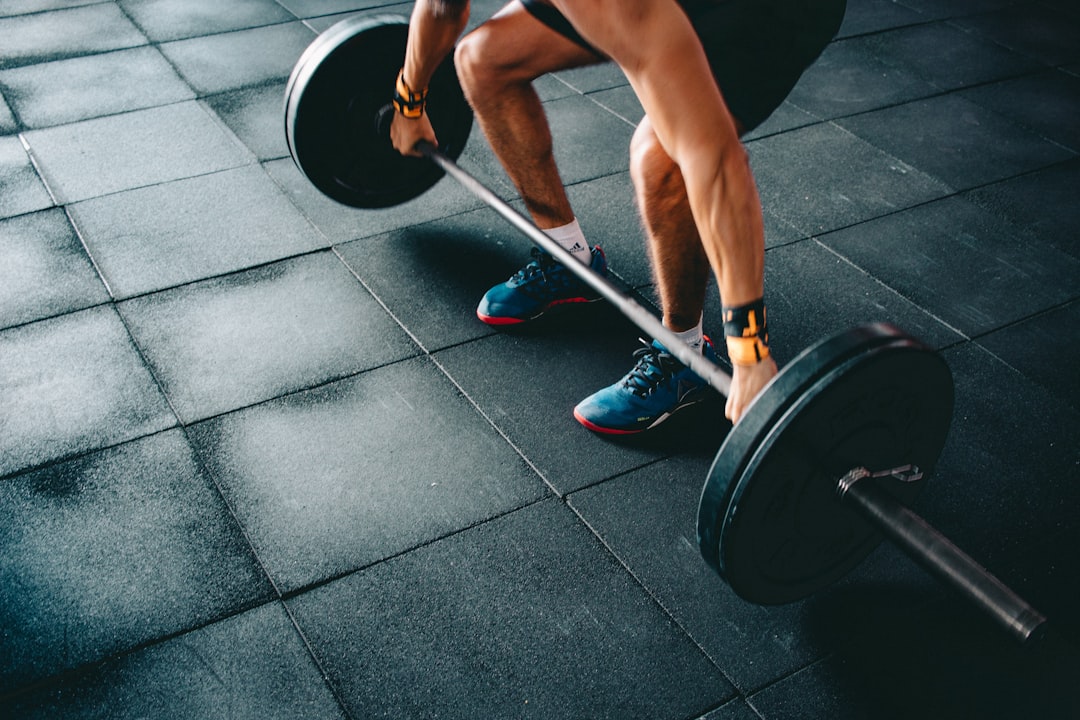
You've been squatting for a few weeks at your box in Malta, and someone with an intimidatingly heavy barbell just clunked across the floor in a pair of shiny, hard-soled shoes. You wonder: do I need those? The short answer is not yet, and then eventually maybe yes. Weightlifting shoes are one of the few pieces of kit that genuinely change how a lift feels, but only once you know what they do and why. This guide walks you through choosing your first pair without wasting money or falling for marketing.
What weightlifting shoes actually do
A dedicated weightlifting shoe (often called a "lifter") is built around two ideas: a raised, rigid heel and a stable, non-compressible sole. Everything else is detail.
The raised heel effectively increases how far your ankle can bend forward relative to your foot. In practical terms, that lets you keep a more upright torso in the bottom of a squat, snatch or clean. If your ankles are stiff, or if you have long femurs, that upright position is much easier to hold in a heeled shoe than in flat trainers.
The rigid sole matters just as much. When you drive out of a heavy squat, a soft, cushioned running shoe compresses and lets your foot roll around. That's wasted energy and a wobbly base. A lifter's dense sole gives you a solid platform so all your force goes into the barbell, not into squashing foam.
Raised heel — helps you reach depth with a taller torso and a stable spine.
Hard, flat sole — a stable base so you don't lose power into cushioning.
Midfoot strap — locks the foot down so it doesn't slide during fast lifts.
Do you even need them yet?
Here's the honest coach's answer: as a beginner, you do not need weightlifting shoes to start. Plenty of excellent lifters trained for a year or more in flat shoes. What you do need is a stable, flat surface under your foot.
Consider lifters once one or more of these is true:
You're squatting, snatching and cleaning regularly and enjoying it.
You feel like you're falling forward or lifting your heels at the bottom of a squat.
Your ankles feel tight and you can't sit into a comfortable, upright bottom position.
You've decided you want to take barbell work seriously for the long haul.
If you're mostly doing conditioning, running, box jumps and light barbell work, a flat, firm trainer will serve you better across a typical CrossFit class than a dedicated lifter.
Flat shoes vs. lifters vs. all-round CrossFit trainers
It helps to think of three categories:
All-round CrossFit trainers — a firm, slightly raised heel and a stable sole that handles running, rope climbs, jumps and moderate barbell work. This is the one shoe most beginners actually want first.
Flat, hard-soled shoes — think minimalist trainers with a zero or near-zero drop. Great for deadlifts and general lifting, cheap, and honest.
Dedicated weightlifting shoes — the raised, rigid heel specialists. Superb under a heavy barbell, but stiff and clumsy for running or jumping.
A common Maltese athlete's setup ends up being two shoes: an all-round CrossFit trainer for daily classes, and a pair of lifters that live in the gym bag for heavy squat or Olympic-lifting days.
Heel height: the number everyone argues about
Most weightlifting shoes have an effective heel lift somewhere between roughly 15 mm and 22 mm (often written as around 0.6 to 0.75 inches). A handful sit lower, around 12 mm, and some cross-training shoes sit lower still.
There's no single "correct" height. It depends on your body:
Stiff ankles or long femurs — often benefit from a higher heel to reach depth comfortably and stay upright.
Mobile ankles and shorter femurs — may prefer a lower heel, or may barely notice the difference.
Mixed CrossFit use — a lower or moderate heel is usually more versatile.
If you can, try squatting in a friend's lifters before buying, or wedge a small plate under your heels during a squat session to feel roughly what a heeled shoe does. It's the cheapest possible test.
Fit and sizing: get this right or nothing else matters
A weightlifting shoe should fit snugly, more like a climbing shoe than a running shoe. You do not want your foot sliding inside it when you drop under a clean. But snug is not the same as painful.
Length — your longest toe should be close to the end but not jammed. Many lifters size a half-size down from their running shoe, but brands vary, so check each brand's guidance.
Width — this is where many people go wrong. If you have wide feet, prioritise a brand known for a roomier toe box. A shoe that's too narrow ruins the whole experience.
Heel lock — your heel should not lift out of the shoe when you rise onto your toes.
Strap — the midfoot strap should tighten firmly without cutting off circulation.
Because Malta has a limited number of physical stores stocking a full range of lifters, try to test in person where you can, and be cautious ordering online without knowing how a brand fits. If you must order online, buy from a retailer with a sensible returns policy and check community reviews for that specific model's sizing quirks.
Materials and construction: what's worth paying for
Weightlifting shoes vary in what makes the heel rigid. Traditional models use a stacked, dense heel; higher-end ones may use hard plastics or composite wedges. For a first pair, you don't need the premium heel material — you need a heel that genuinely doesn't compress. Most reputable lifters achieve that.
Things that genuinely matter for a beginner:
A truly non-compressible heel — the whole point of the shoe.
One or two secure straps — for a locked-in midfoot.
A durable, grippy outsole — for platform and gym-floor traction.
Breathable upper — worth noting in the Maltese climate, where summer training gets genuinely hot and a heavy, unventilated shoe becomes miserable.
What's less important early on: exotic materials, the lightest possible weight, and the same model your favourite athlete wears. Marketing leans hard on the pros; your first pair just needs to fit and be stable.
Budget: what to expect and where to spend
Entry-level dedicated lifters are generally the most affordable serious option, mid-range models step up in materials and heel construction, and premium models add refinements that most beginners won't notice. If your budget is tight, a good all-round CrossFit trainer or a simple flat, hard-soled shoe is a smart first purchase, and you can add dedicated lifters later once you know you love barbell work.
A sensible spending order for a beginner in Malta:
A firm, stable all-round trainer you can use in every class.
Optionally, an inexpensive flat, hard-soled shoe for deadlifts and general lifting.
Dedicated weightlifting shoes once you're committed to squatting and Olympic lifting.
Caring for your lifters in the Maltese climate
Malta's humidity and salt air aren't kind to gear. A few simple habits keep lifters lasting for years:
Air them out after every session rather than sealing them in a hot gym bag.
Wipe off chalk and sweat, and loosen the straps between uses.
Store them somewhere dry and out of direct sun; heat degrades adhesives over time.
Keep them for lifting — walking around outdoors in them wears the sole unnecessarily.
Because the heel doesn't compress, a good pair of lifters often outlasts several pairs of running shoes, which is part of why they can be a sound long-term investment despite the upfront cost.
A simple decision checklist
Before you buy, run through this:
What do I train most? Mostly conditioning and mixed classes → all-round trainer first. Mostly barbell → lifters make sense.
How are my ankles? Stiff → a raised heel will likely help. Very mobile → you may prefer a lower heel or flat shoe.
Can I try before I buy? Always better. Failing that, buy with returns available.
Does it fit my foot width? Non-negotiable. Wide feet need a roomier model.
Is the heel genuinely rigid and the sole flat? If yes, the basics are covered.
The bottom line
Your first pair of weightlifting shoes should be a decision driven by how you actually train, not by what the person next to you is wearing. Start with a stable, flat base, add a dedicated lifter when barbell work becomes your priority, prioritise fit and a genuinely rigid heel over fancy materials, and look after them in Malta's heat. Get those fundamentals right and the shoes will quietly do their job for years — letting you focus on the lift, not the footwear.
If you're unsure, ask a coach at your box to watch your squat and tell you whether a heel would help. That five-minute conversation is worth more than any product review.
Frequently asked questions
Do I need weightlifting shoes as a CrossFit beginner?
No, not to start. A firm, stable, flat trainer works well for beginners. Consider dedicated weightlifting shoes once you're training barbell movements regularly and want a taller, more upright squat position.
What heel height should my first weightlifting shoes have?
Most lifters have an effective heel lift of roughly 15–22 mm, with some lower options around 12 mm. Stiffer ankles and longer femurs often benefit from a higher heel; more mobile athletes may prefer a lower one. There's no single correct number.
Should I size weightlifting shoes differently from running shoes?
Often yes. Weightlifting shoes should fit snugly so your foot doesn't slide, and many people go about half a size down from their running shoe. Sizing varies by brand, so check each brand's guidance and prioritise the right width.
Can I use the same shoe for running and lifting in CrossFit?
An all-round CrossFit trainer handles running, jumps and moderate barbell work reasonably well and is the best single-shoe choice for most beginners. Dedicated weightlifting shoes are stiff and poorly suited to running, so many athletes eventually own both.
How long do weightlifting shoes last?
Because the heel is designed not to compress and they're used mainly for lifting, a good pair often lasts several years—far longer than typical running shoes—especially if you air them out, keep them dry and use them only for training.