Hyrox Equipment for Home Gym: Building a DIY Sled and Sandbag Setup in a Small Maltese Space
09 Aug 2026
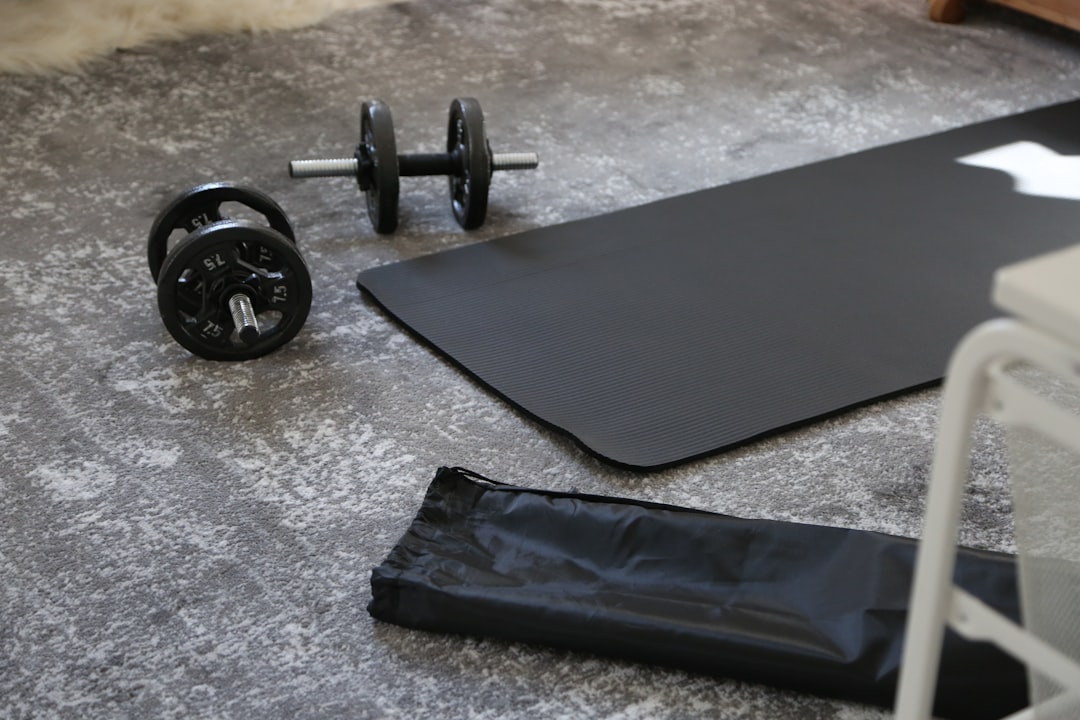
You've signed up for a Hyrox, or you're eyeing one of the events popping up around the region, and now reality bites: your "gym" is a corner of a Sliema apartment or a garage in Zebbug that already holds a car, a washing machine and your bike. The good news is that you do not need a warehouse to train well. With smart choices, the right hyrox equipment for home gym use can fit into a few square metres and still cover most of the eight stations that decide your race.
This guide is written for the Maltese athlete working with limited space, sometimes tiled floors, and shipping costs that make every purchase count. We'll compare budget and premium options for the three items people ask about most — the sled, the wall ball and the sandbag — then look at space-saving tricks and DIY builds that actually hold up.
Know the race before you buy the gear
Hyrox is standardised, which is a gift when you're kitting out a home gym: you know exactly what you're training for. Before spending a euro, anchor your choices to the official station weights so you don't over- or under-buy.
The sled push is the station that scares most people, so it's the right place to start planning your space and budget.
According to published race standards, HYROX sled push weight standards by division are Open Men 152 kg, Pro Men 202 kg, Open Women 102 kg, and Pro Women 152 kg. Crucially, these numbers include both the sled and the loaded plates, and you push the sled for 50 metres total, usually broken up into shorter stretches on the competition turf.
Two things matter for your home setup. First, the race weight is the sled plus plates combined, so you're not buying 150 kg of extra plates on top of a heavy sled. Second, surface is everything. The competition turf adds a ton of friction, making the sled feel heavier than anything you've pushed in your local gym. A sled that glides on your smooth garage tiles will feel deceptively easy compared to race day.
The rest of the stations you're training for
Beyond the sled push and sled pull, a full Hyrox includes SkiErg, rowing, burpee broad jumps, farmers carry, sandbag lunges and wall balls, all sandwiched between eight 1 km runs. For a home gym you'll rarely fit an erg and a sled and a rig, so you prioritise. The sled, sandbag and wall ball are the three most "buildable" and space-friendly, which is exactly why they're the focus here.
Sleds: budget DIY vs premium
The sled is the biggest decision because it needs both weight and floor. Here's how the options stack up for a compact Maltese space.
Budget: the DIY tyre or plate sled
The classic budget build is a heavy tyre with a rope or webbing strap through it, loaded with a plate or two, dragged across a flat surface. It costs almost nothing — a used tyre is often free from a garage — and it stores flat against a wall.
- Pros: near-zero cost, teaches the leg drive and low body position, packs away easily.
- Cons: a tyre on tiles behaves nothing like turf. It can scratch flooring, snag on grout lines and won't replicate the smooth, high-friction grind of race turf.
A step up from the tyre is a flat wooden or steel plate sled you build yourself: a low platform with an eye-bolt for a strap and a post to stack plates. If you weld or know someone who does, this is an afternoon project. Line the underside with an old carpet offcut and you have a "push mat" surface that protects tiles and adds realistic drag.
Premium: a proper Hyrox-style push sled
A dedicated competition-style sled with vertical posts and a low push bar is the closest home replica of race day. Paired with a turf mat, it lets you train the exact movement pattern.
- Pros: correct geometry, durable, resells well, works for both push and pull with an attachment.
- Cons: the sled itself is heavy and bulky, and shipping a steel sled to Malta is where the euros disappear. Measure your storage before ordering.
The friction problem: your floor decides everything
This is the single most important home-gym insight. On polished Maltese tiles a loaded sled slides so easily that you'll never reach race-relevant difficulty without absurd weight. The fixes:
- Buy or build a short turf/astro push track (even 3–4 m used in repeat laps).
- Use a friction mat or a strip of gym rubber under the sled.
- If you truly can't fit a sled, substitute with heavy prowler-style walking lunges, weighted sled-drag simulators using a resistance strap anchored to a rig, or hill/ramp pushes outdoors on a quiet street or car park.
Wall balls: get the weight and the ceiling right
Wall balls are the sneaky space problem in Malta, because the movement needs vertical clearance, not floor. You throw the ball to a target overhead, and a standard apartment ceiling of around 2.4–2.6 m simply may not clear a full-height throw.
Choosing the weight
Hyrox wall ball weights are lighter than the sled but the reps are brutal at the end of a race. As a general training guide, women commonly train around 4–6 kg and men around 6–9 kg depending on division and where you are in your progression. Buy the weight that matches your target division and let your reps build over time rather than ego-loading.
Budget vs premium wall balls
- Budget: a single soft medicine-style wall ball is inexpensive and doubles as a slam and throw tool. One good ball covers most training.
- Premium: adjustable or dual-ball sets let a couple or a training pair share different weights. Nice, but rarely essential for a solo home athlete.
Space-saving wall ball tips for apartments
- Mark a target height on a wall with tape at a comfortable, ceiling-safe height and train to a consistent point — groove the squat-to-throw rhythm even if you can't hit full race height.
- Use the garage or a stairwell landing with more clearance for full-height sessions, and do volume work at home.
- Protect plaster with a plywood target board if you throw against an internal wall.
Sandbags: the best value in a small gym
If you buy one thing, buy a sandbag. It is the most space-efficient, floor-friendly, apartment-neighbour-friendly piece of Hyrox kit, and it covers lunges, carries, cleans, squats and more.
Budget: the true DIY sandbag
A genuine DIY sandbag costs the price of the filler and a tough outer shell:
- Buy a heavy-duty duffel or army-surplus bag with strong stitching and compression straps.
- Fill sealed inner bags with play sand, rubber crumb or pea gravel. Double-bag and tape each filler bag so the outer shell stays clean.
- Weigh on a bathroom scale as you fill so you hit your target within a kilo.
Sand is cheap and widely available in Malta, and the whole build can come in well under the cost of a branded bag. The downside is durability and a floppy shape that shifts mid-lift — which, honestly, is decent training carry-over.
Premium: purpose-built training sandbags
Branded bags use rip-stop outer shells, sealed filler pods and multiple grip handles. They hold shape better, last for years and let you adjust weight quickly by adding or removing pods.
- Pros: durable, adjustable, comfortable handles, tidy.
- Cons: higher cost plus shipping weight to the islands.
What weight for Hyrox lunges?
Sandbag lunge weights in Hyrox are meaningful but not maximal — women's and men's divisions sit in a range you can replicate at home. A practical approach is to buy an adjustable bag or build two filler loads so you can train both a race-specific weight and a lighter high-rep option. Because lunges load the movement over 20 m, floor space matters: you need a clear run of about 4–5 m, or you break the distance into shuttles.
Putting it together in a small Maltese footprint
Here's a realistic priority order for a compact apartment or shared garage, from most to least essential:
- Sandbag — covers the most stations, stores in a cupboard, quiet on tiles.
- Wall ball — cheap, versatile, needs vertical clearance more than floor.
- Sled + friction/turf surface — highest impact on your race but the biggest space and shipping commitment.
- Runs — free. The eight 1 km runs are the backbone of Hyrox, and Malta's promenades and coast roads are your best, cheapest training tool.
Flooring and neighbours
In a tiled apartment, protect both your floor and your downstairs neighbour. Lay rubber gym mats or interlocking tiles under any dropped or loaded work, keep dropping to a minimum, and favour the sandbag and controlled wall-ball work for evening sessions. A garage with a concrete floor gives you far more freedom for the sled.
Storage that works
- Sled stored vertically against a wall on a hook or bracket.
- Sandbag emptied of loose fill and folded, or stored upright in a corner.
- Wall ball on a simple ring wall-mount to keep floor clear.
- A single turf/friction mat rolled and stood in a corner.
Budget vs premium: the honest verdict
For most Maltese home athletes, a hybrid approach wins. Build the sandbag yourself, buy one good wall ball, and spend your real budget on a sled surface solution because friction is the thing you cannot fake. If you race often and have garage space, a premium sled and a proper turf track are worth it. If you're new and space-limited, a DIY plate sled on a carpet mat plus disciplined running will get you a long way before you upgrade.
Whatever you choose, anchor it to the real race numbers, respect your floor and your neighbours, and remember that the runs between stations are where most Hyrox times are won or lost — and those are free.
Frequently asked questions
What is the minimum Hyrox equipment for a home gym?
Start with a sandbag, a single wall ball and somewhere to run. A sandbag alone covers lunges, carries and squats, needs almost no floor space and is quiet on tiled apartment floors. Add a sled and friction surface later when space and budget allow.
How heavy is the Hyrox sled push?
Published race standards list the sled push as Open Women 102 kg, Open Men 152 kg, Pro Women 152 kg and Pro Men 202 kg, with those figures including both the sled and the loaded plates. It is a 50 m push, usually broken into shorter stretches on the turf.
Can I train the sled push if I only have smooth tiled floors?
Yes, but you must add friction. A polished tile floor lets a sled slide too easily to be race-realistic. Use a turf or astro push mat, a strip of gym rubber, or a carpet offcut under the sled, or substitute with outdoor ramp pushes and heavy walking lunges.
Is a DIY sandbag good enough for Hyrox training?
For most home athletes, yes. A heavy-duty duffel filled with double-bagged play sand or rubber crumb, weighed to your target, replicates the movement well. Premium bags last longer and adjust faster, but a solid DIY build costs a fraction and trains the same pattern.
How do I do wall balls in a low-ceiling Maltese apartment?
Mark a consistent target height with tape below your ceiling and groove the squat-to-throw rhythm for volume at home, then use a garage or higher-ceiling space for full-height sessions. Protect internal walls with a plywood target board.