Hyrox Grip Strength Training: The 4 Stations Where Your Hands Give Out First
09 Aug 2026
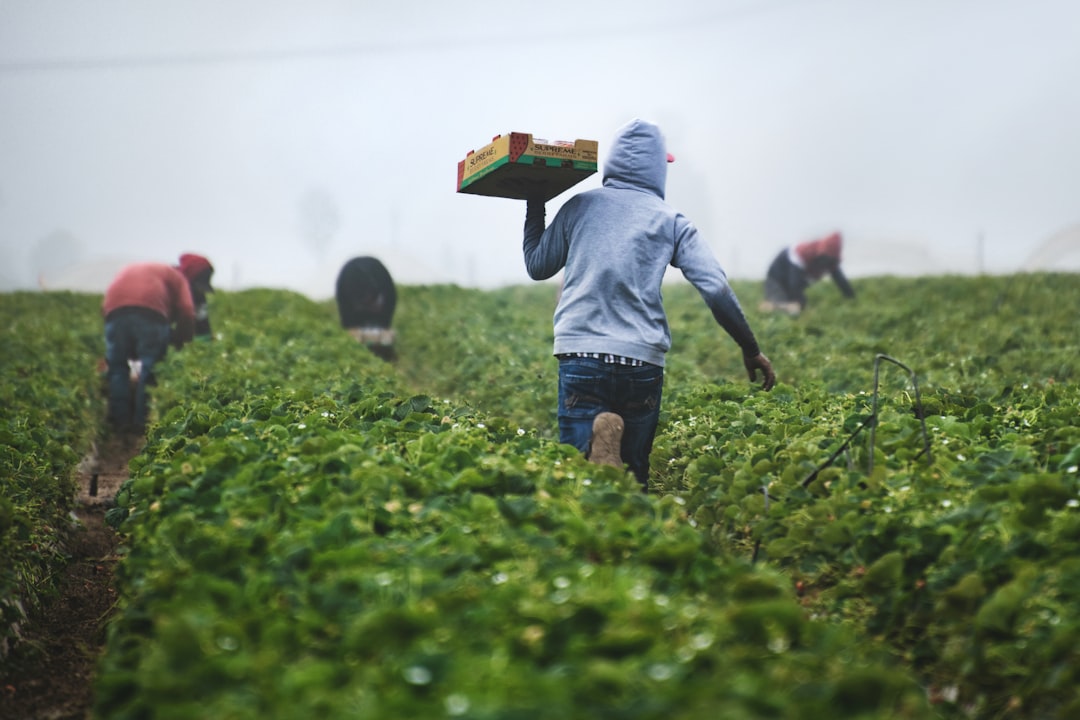
You've done the running. Your engine holds up over the 8km. Then somewhere around the sixth station your forearms turn to concrete, the kettlebells feel greasy, and the sandbag starts sliding off your shoulders. That's not a fitness problem — it's a grip problem, and it's the quiet reason a lot of Maltese athletes lose two or three minutes they trained hard to save.
Hyrox uses the same standards everywhere, which is good news for planning. The event is standardised across cities worldwide, so whether you race in Malta's region, London or Vienna, the loads are identical for your division. That means you can train grip with real numbers instead of guesswork. This guide breaks down the four stations that punish your hands, then gives you a simple 4-week hyrox grip strength training block you can run in a small box or a home garage gym.
Why grip is the hidden bottleneck in Hyrox
Grip is a chain of small muscles in the hands and forearms, plus the connective tissue that transmits force. Unlike your quads or lungs, it doesn't get much dedicated attention — most people assume it just comes along for the ride. In a Hyrox race it doesn't. Four of the eight stations tax your hands directly, and they arrive in a cluster late in the race when your forearms are already loaded from the SkiErg, the rowing and the sled push.
The kicker is order. Two of the worst grip stations sit back-to-back near the end, so fatigue compounds. If your hands fail on the farmers carry, you're walking into sandbag lunges and 100 wall balls with nothing left in the tank. Fixing grip isn't about a party-trick handshake — it's about buying yourself unbroken sets when everyone else is dropping and resetting.
Station 1: The Sled Pull
The sled pull is a hand-over-hand rope pull. You sit or stand behind a line and drag a loaded sled toward you across the floor, then reset the rope and repeat until you've covered the required distance — four lengths of 12.5 metres, so 50 metres of pulling.
This is where grip trouble often starts, because it comes earlier than people expect and it's brutally specific. You're gripping a thick rope, often chalk-free and sometimes damp, and pulling a sled that can weigh over 100kg including the sled itself for many divisions. The demand is a mix of crushing grip (closing the hand around the rope) and the pulling strength of your lats and upper back. If your hands slip, you lose the whole rep.
- What fails: crushing grip and finger flexors, plus forearm endurance from repeated re-gripping.
- Race-day tip: pull hand-over-hand in long, deliberate strokes rather than lots of tiny frantic grabs — fewer re-grips means less grip fatigue.
Station 2: The Farmers Carry
The farmers carry is 200 metres carrying two kettlebells, one in each hand. In the Open division that's typically 2 × 24kg for men and 2 × 16kg for women; Pro men carry 2 × 32kg. You're allowed to set the bells down and re-grip, but every drop costs you time and, worse, forces a fresh grip re-set on already-fried forearms.
This is the most obvious grip station and the one athletes most often underestimate. 200 metres is a long way when your hands are cooked from the sled and the rowing that came before. The classic mistake is carrying with a “dead” passive grip — letting the bells hang and hoping. Under fatigue that fails fast.
- What fails: grip endurance (holding a fixed load for time), plus the thumb and finger flexors.
- Race-day tip: grip the handle actively and keep the shoulders back and chest tall; a collapsed posture pulls the load onto your fingertips. Chalk your hands beforehand if the event allows it.
Station 3: The Sandbag Lunges
Sandbag lunges are 100 metres of walking lunges with a sandbag carried on your upper back or shoulders. Open men use around 20kg, Open women around 10kg, and Pro men around 30kg. On paper it looks like a leg station — and your quads will certainly agree by the end — but it's a sneaky grip and upper-body test too.
The sandbag has no handles. You're pinning it in place with your hands, forearms and shoulders, and a loose bag slides, shifts and threatens to fall with every rep. After the farmers carry, your hands are already smoked, so the isometric effort of holding that bag steady is far harder than it feels fresh. Drop the bag and you have to re-load it, which is exhausting and slow.
- What fails: isometric grip and forearm endurance, plus the hugging strength of the biceps and shoulders.
- Race-day tip: seat the bag high and tight before you start, and clamp it against your body rather than trying to hold it out with the arms.
Station 4: The Wall Balls
Wall balls close the race: 100 reps in the Open division, throwing a 6kg ball (men) or 4kg ball (women) up to a target at 3m for men and 2.7m for women. The ball is light, so people don't think of it as a grip station. It is — just a different kind.
You catch and re-grip a medicine ball 100 times with hands and forearms that have just survived three grip stations. The repeated catch-and-throw taxes grip endurance and the small stabilisers of the wrist and hand. When your grip is shot, the ball feels heavier, your catches get sloppy, no-reps creep in, and a station that should take a few minutes drags out painfully. This is where a race is won or lost, and tired hands are a big part of why.
- What fails: grip endurance and wrist stability under high-rep fatigue.
- Race-day tip: relax the hands between reps and let the ball rest in the fingers at the catch rather than death-gripping every rep.
How grip fatigue compounds across the race
Notice the pattern: sled pull (crushing), farmers carry (supporting), sandbag lunges (isometric hold), wall balls (repeated re-grip). Four different flavours of grip, arriving in a cluster while your forearms are also doing the SkiErg, rowing and sled push. If you only ever train one type of grip, the others break.
That's why smart hyrox grip strength training covers all four qualities: crush, support/carry, pinch/isometric and endurance. The routine below hits each of them without needing fancy kit — just a pull-up bar, some kettlebells or dumbbells, weight plates and a sandbag. Perfect for a small Malta box or a home setup on a balcony or in a garage.
Your 4-week grip accessory routine
Add this as accessory work 2–3 times per week after your main session — not before, as it will pre-fatigue your running and lifting. Keep chalk handy, work within comfortable ranges, and stop a set when your technique breaks down rather than grinding to failure. If anything feels sharp or painful in the wrists, elbows or fingers, stop and get it checked by a qualified professional; this is training advice, not medical advice.
The four building blocks
- Dead hangs (support & endurance): hang from a pull-up bar with straight arms, shoulders active, for time.
- Loaded carries (support strength): farmers-style carries with kettlebells or dumbbells over a set distance.
- Plate pinches (pinch & thumb strength): pinch two smooth 5–10kg plates together (smooth sides out) and hold, or carry them.
- Rope or towel work (crush & sled-specific): loop a towel over the bar and hang, or do towel-grip rows to mimic the sled pull rope.
Week 1 — Build the base
- Dead hangs: 4 × 20–30 seconds
- Farmers carry: 3 × 40m at a moderate, unbroken load
- Plate pinch hold: 3 × 20 seconds per hand
- Towel hang: 3 × 15 seconds
Week 2 — Add volume
- Dead hangs: 4 × 30–40 seconds
- Farmers carry: 4 × 50m, slightly heavier
- Plate pinch carry: 3 × 20m
- Towel-grip rows: 3 × 8–10 reps
Week 3 — Add load and specificity
- Dead hangs: 3 × 45 seconds, add a light weight if easy
- Farmers carry: 4 × 60m at close to race weight (aim toward 2 × 24kg men / 2 × 16kg women)
- Plate pinch hold: 4 × 25 seconds per hand
- Sandbag hold or short lunge walk: 3 × 20m clamping the bag high and tight
Week 4 — Race simulation, then taper
- Mini circuit (2–3 rounds): 40m farmers carry → 20m sandbag lunge → 20 wall balls, minimal rest — rehearse gripping under fatigue
- Dead hangs: 3 × 30 seconds, easy
- Ease off volume in the final days before a race so your forearms are fresh
Putting it together for race day
Grip is trainable, but it adapts slowly — the tendons and connective tissue in your hands take longer to catch up than your muscles do, so consistency over weeks beats a couple of brutal sessions. Four weeks of focused work won't turn you into a strongman, but it's enough to stop your hands being the first thing to quit.
Pair the routine with sensible race-day habits: chalk up where permitted, grip actively rather than passively, minimise re-grips on the sled and carry, and clamp the sandbag before you move. Train all four grip qualities — crush, carry, pinch and endurance — and the cluster of stations that used to break you becomes just another part of the race you've already rehearsed. Your legs and lungs got you this far; give your hands the same respect and they'll hold on to the finish line.
Common grip mistakes that cost Maltese athletes time
Most grip failures on race day aren't about raw strength — they're about small habits that waste it. Fix these in training and you'll feel the difference at the sharp end of a race:
- Death-gripping too early: squeezing everything at 100% from rep one burns your forearms out fast. On the wall balls especially, relax the hands between reps and only grip hard when you need to.
- Ignoring the thumb: the pinch strength of your thumb is what keeps the sandbag from sliding and helps stabilise the kettlebell handles. Plate pinches are the cheapest fix for this and almost nobody trains them.
- Never rehearsing under fatigue: your grip feels fine when you're fresh. Practising carries and hangs at the end of a hard session, when your forearms are already tired, is far more race-specific.
- Skipping the sled-pull rope feel: a thick, sometimes slippery rope is a different grip to a smooth kettlebell handle. Towel hangs and towel rows build that thicker-grip crushing strength.
- Forgetting posture: on the farmers carry, a rounded, collapsed torso shifts load onto the fingertips. Standing tall with the shoulders set keeps the load where your grip can manage it.
Kit that helps you train grip in a small box
You don't need much, and none of it takes up space. A sturdy pull-up bar covers dead hangs and towel hangs. A pair of kettlebells or dumbbells that let you carry 40–60 metres unbroken covers the farmers carry pattern — work toward the race loads of 2 × 24kg for men or 2 × 16kg for women in the Open division. A couple of smooth bumper or steel plates give you plate pinches, and a sandbag lets you rehearse the lunge hold. A towel and chalk round it out. That's a complete grip kit that fits in a corner of a garage gym or a Malta box's spare rack.
The point of listing kit isn't to sell you a shopping list — it's that grip is one of the few limiters you can fully train with simple, durable equipment you'll use for years. Prioritise a solid bar and honest carry weights over gadgets.
Frequently asked questions
Which Hyrox stations need grip strength the most?
Four stations tax your hands directly: the sled pull (a hand-over-hand rope pull), the 200m farmers carry with kettlebells, the 100m sandbag lunges where you clamp the bag in place, and the 100 wall balls where you catch and re-grip a ball. They cluster late in the race, so grip fatigue compounds.
How long does it take to improve grip strength for Hyrox?
You can build noticeable grip endurance in about 4 weeks of consistent accessory work done 2–3 times per week. The connective tissue in your hands and forearms adapts more slowly than muscle, so steady consistency over several weeks matters more than a few very hard sessions.
Can I train Hyrox grip strength in a small home gym in Malta?
Yes. The core exercises — dead hangs, loaded carries, plate pinches and towel-grip work — only need a pull-up bar, kettlebells or dumbbells, some weight plates and a sandbag. That's ideal for a small box, a garage or a balcony setup.
Is chalk allowed in Hyrox?
Policies can vary by venue and division, so always check the specific event rules before race day. Where it's permitted, chalking your hands before grip stations like the sled pull and farmers carry helps reduce slipping on sweaty or damp equipment.
Should I do grip training before or after my main workout?
After. Grip accessory work pre-fatigues your forearms, which will hurt your running, rowing and lifting if you do it first. Finish your main session, then add the carries, hangs and pinches as a short accessory block.