Hyrox Race Day Nutrition: What Maltese Athletes Should Eat Before and During the Race
09 Aug 2026
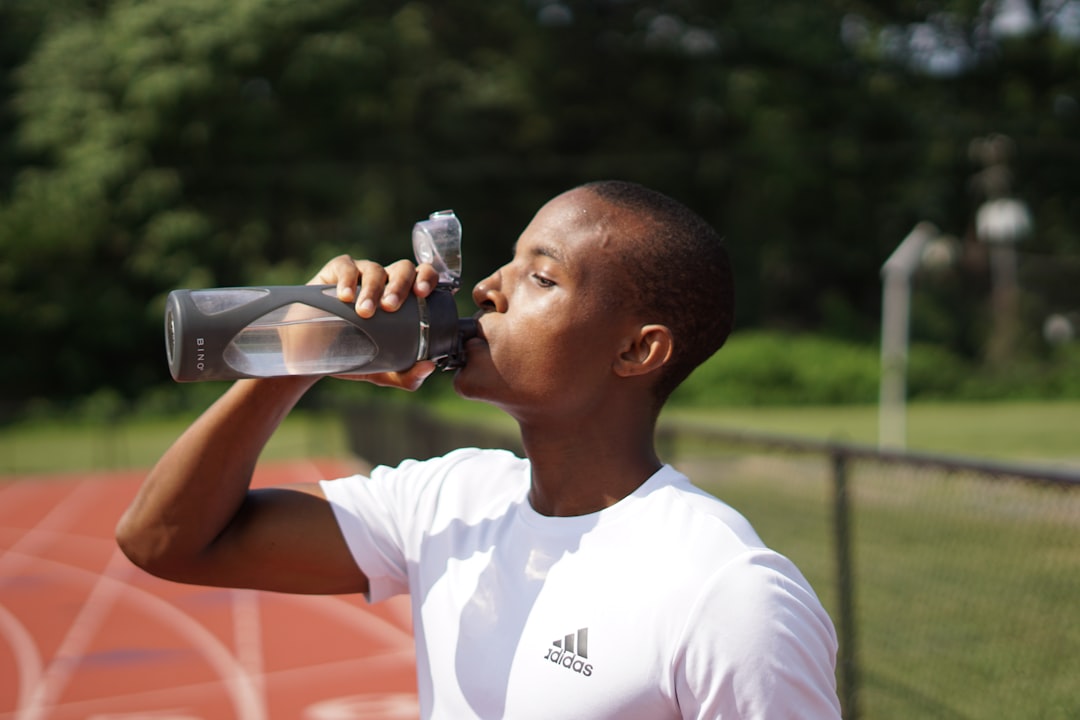
You've spent months earning your Roxzone. The runs feel smooth, your sled technique is dialled, and the wall balls no longer wreck you. Then race day arrives in Malta — the hall is warm, the humidity is up, and by the time you're on your second 1 km run your stomach is either sloshing or empty. Fuelling is the piece too many athletes leave to chance, and it's the cheapest way to protect the fitness you've already built.
This is a practical, timeline-based guide to hyrox race day nutrition for Maltese athletes. It's about energy and performance strategy — what to eat, when, and how to sip during the race — using food you can actually buy at your local Lidl, Welbee's or the pastizzeria round the corner. It is not medical or health advice; if you have specific dietary needs, speak to a qualified professional.
Why fuelling matters in a Hyrox
A standard Hyrox is 8 km of running broken into eight 1 km efforts, each sandwiched between a functional station: SkiErg, sled push, sled pull, burpee broad jumps, 1 km row, farmers carry, sandbag lunges and 100 wall balls. For most age-group athletes that's roughly 60 to 110 minutes of near-continuous work, with your heart rate parked uncomfortably high the whole time.
That duration sits right in the zone where your body leans heavily on stored carbohydrate (muscle and liver glycogen). You can only bank so much of it. Start under-fuelled or run the tank dry mid-race and the symptoms are predictable: legs turn to concrete on the sled, the wall balls slow to a crawl, and your pacing falls apart. Good fuelling won't add fitness you don't have — but bad fuelling will quietly rob you of the fitness you do.
The Malta factor: heat, humidity and timing
Fuelling advice written for a cool climate needs adjusting for our conditions. A summer race in Malta — or a warm indoor venue with hundreds of bodies working hard — pushes core temperature and sweat rate up. That changes two things:
- Hydration becomes part of your fuel plan. You lose more fluid and electrolytes (especially sodium) through sweat, and dehydration makes your stomach empty food more slowly — so heavy pre-race meals feel worse.
- Simpler, lighter, more liquid fuel wins. In the heat your gut tolerates concentrated solid food less well, so drinks and gels with water tend to sit better than a big plate.
Practical Maltese reality: many local races and open workouts run mid-morning through afternoon, and even our "cooler" months can bring warm, still halls. Plan as if it'll be warmer than you'd like, and you'll rarely be caught out.
The race-day fuelling timeline
3–4 hours before: the pre-race meal
Your last proper meal should land about three to four hours before your start time. The goal is a carbohydrate-focused meal that's easy to digest, moderate in protein, and low in fat and fibre — because fat and fibre slow digestion and are the usual culprits behind a heavy, sloshy gut on the start line.
Aim for something familiar. Race day is never the time to experiment. Local-friendly options that work well:
- Ftira or white bread with honey or jam and a little low-fat cheese or a boiled egg on the side.
- Oats (ħafur) with banana and honey, made with water or a splash of low-fat milk.
- White rice or pasta with a simple tomato base and a modest portion of chicken — a very Maltese Sunday-lunch staple, scaled down.
- Two slices of toast with peanut butter and banana if that's what you train on.
A rough target is around 1 to 2 grams of carbohydrate per kilogram of body weight at this meal. For a 70 kg athlete that's roughly 70–140 g of carbs — think a couple of slices of ftira with honey plus a banana and a small yoghurt. Go easier on the fibre if your stomach is sensitive; save the wholegrain, high-fibre choices for regular training days, not race morning.
60–90 minutes before: the top-up
As the start approaches, switch to a small, easily digested carbohydrate top-up. This tops up liver glycogen and steadies your energy without weighing you down. Good options:
- A ripe banana.
- A slice of white bread with honey or jam.
- A small energy bar you've tested in training.
- An isotonic sports drink sipped slowly.
Keep sipping water alongside it. In warm conditions, arriving well-hydrated matters more than any last-minute snack — aim to drink steadily through the morning rather than gulping a big bottle right before you start.
15–30 minutes before: prime and hydrate
This is fine-tuning, not fuelling. A few sips of an isotonic drink or a small amount of a sports gel with water can be useful if your start is delayed, but don't force food here. If you're nervous and your stomach is tight, plain water and calm breathing beat forcing down a bar you'll regret on the SkiErg.
Two Malta-specific reminders:
- Pre-load fluid sensibly in the heat. Sip 300–500 ml of water or an electrolyte drink across the two hours before your start — not all at once.
- Add a pinch of sodium. An electrolyte tablet or a lightly salted drink helps you hold onto fluid better than plain water when it's warm and you're a salty sweater (white marks on your kit are a giveaway).
During the race: sips and gels
Here's the honest bit: a sub-70-minute Hyrox may not strictly require in-race carbohydrate for a well-fuelled athlete — you've got enough glycogen on board if you ate properly. But for races over about 60 minutes, or when it's hot, small amounts of carbohydrate can genuinely help maintain pace and focus in the back half.
General endurance guidance suggests roughly 30–60 g of carbohydrate per hour is enough for efforts around the hour mark, with well-trained athletes tolerating more for longer efforts. For a Hyrox, that usually means one gel, or a few mouthfuls of sports drink, taken opportunistically. Practical ways to do it:
- One gel around the halfway point — after the row or before the farmers carry — chased with water so it absorbs and doesn't sit heavy.
- Sips of an isotonic drink if you can stash a small flask, taken during transitions rather than mid-run.
- Water at aid stations — take small, frequent sips rather than one big gulp that sloshes on the next run.
The station between runs is your natural fuelling window: your hands are freer during a farmers carry setup or a sled reset than they are mid-stride. Plan which station you'll drink or gel at before you start, so you're not making decisions while gasping.
Hydration in the heat: a simple plan
You can't fully replace what you sweat during a hard race, and you don't need to — the aim is to limit the deficit, not eliminate it. A workable approach for a warm Maltese race:
- Before: arrive hydrated. Pale-straw urine in the hours before is the simplest check.
- During: small sips at stations and aid points; prioritise electrolytes over plain water if you're sweating heavily.
- After: rehydrate steadily with fluid and a little sodium alongside your recovery food — but that's a topic for another day.
Avoid the two classic errors: drinking so little that you cramp and fade, or drinking so much plain water so fast that your stomach revolts. Steady and sensible beats heroic.
Practise it before you race
The single most important rule in this whole guide: test your fuelling in training. Your gut is trainable, and the gel that works for your training partner might not work for you. In the weeks before your event, rehearse your exact race-morning meal and your in-workout gel or drink during hard sessions — a Hyrox simulation, a chipper, or a long interval piece.
Things to test:
- How your pre-race meal sits during high-heart-rate running.
- Which gel brand and flavour your stomach tolerates while working hard.
- How much fluid you can actually sip mid-effort without discomfort.
- Whether an electrolyte drink helps you feel steadier late in a session.
Do this in kit that matches race conditions, ideally at a similar time of day, so nothing on race morning is a surprise.
Gear that makes fuelling easier
Fuelling is mostly about food and timing, but a little kit removes friction on race day:
- A small soft flask or handheld bottle for pre-race sipping and warm-up hydration.
- A gel flask if you prefer to mix your own carbohydrate rather than carry wrappers.
- Electrolyte tablets to drop into your bottle for warm-weather races.
- A reliable water bottle for your warm-up and cool-down, plus your usual training gear so simulations mirror the real thing.
None of this is magic. But dialling in your fuel and having the right bottle to sip from is a small, controllable edge — the kind of marginal gain that's free once you've done the homework in training.
A sample race-morning plan
For an 11:00 start time, warm venue, 70 kg athlete:
- 07:00 — Oats with banana and honey, plus a small yoghurt. Water alongside.
- 07:00–09:30 — Sip water/electrolyte drink steadily (aim 300–500 ml total).
- 09:30 — Banana or slice of ftira with honey.
- 10:15 — Begin warm-up; small sips of isotonic drink.
- 10:45 — Optional few sips of gel with water if you feel you need it.
- 11:00 — Start. Plan one gel + water around halfway, small sips at stations.
Adjust the clock to your wave, tweak the foods to what you train on, and you've got a repeatable strategy. Nail your fuelling and you get to spend race day proving your fitness — not fighting your stomach.
This article covers performance and energy strategy only and is not medical, dietary or health advice. For individual nutrition needs, consult a qualified professional.
Frequently asked questions
What should I eat before a Hyrox race?
Eat a familiar, carbohydrate-focused meal about 3–4 hours before your start — low in fat and fibre so it digests easily. Options like oats with banana and honey, ftira with honey, or white rice with a little chicken work well. Aim for roughly 1–2 g of carbohydrate per kg of body weight, then a small top-up (a banana or slice of bread with honey) 60–90 minutes before you start.
Do I need gels during a Hyrox?
For a well-fuelled athlete a sub-60-minute race may not strictly need in-race carbohydrate, but for efforts over about an hour or in hot conditions, one gel and a few sips of sports drink can help you hold pace in the second half. General endurance guidance points to roughly 30–60 g of carbohydrate per hour for efforts around the hour mark. Always test gels in training first.
How does Malta's heat change my fuelling plan?
Warm, humid conditions increase sweat and fluid loss and can make heavy solid food sit poorly, so lean towards lighter meals, more liquid fuel and electrolytes. Arrive well-hydrated by sipping 300–500 ml of water or an electrolyte drink across the two hours before your start, and add a little sodium if you're a heavy or salty sweater.
How long before a Hyrox should I stop eating?
Have your last proper meal 3–4 hours out, then only small, easily digested top-ups after that — a banana, a slice of white bread with honey, or sips of an isotonic drink up to about 30 minutes before. Avoid forcing food in the final 15–30 minutes if your stomach feels tight; water and calm breathing are better.
Should I try new foods or gels on race day?
No. Race day is never the time to experiment. Rehearse your exact pre-race meal and in-race gel or drink during hard training sessions in the weeks beforehand, ideally at a similar time of day and in similar conditions, so nothing surprises your stomach on the day.