Hyrox Training in Hot Weather: A Malta Summer Survival Guide
23 Jul 2026
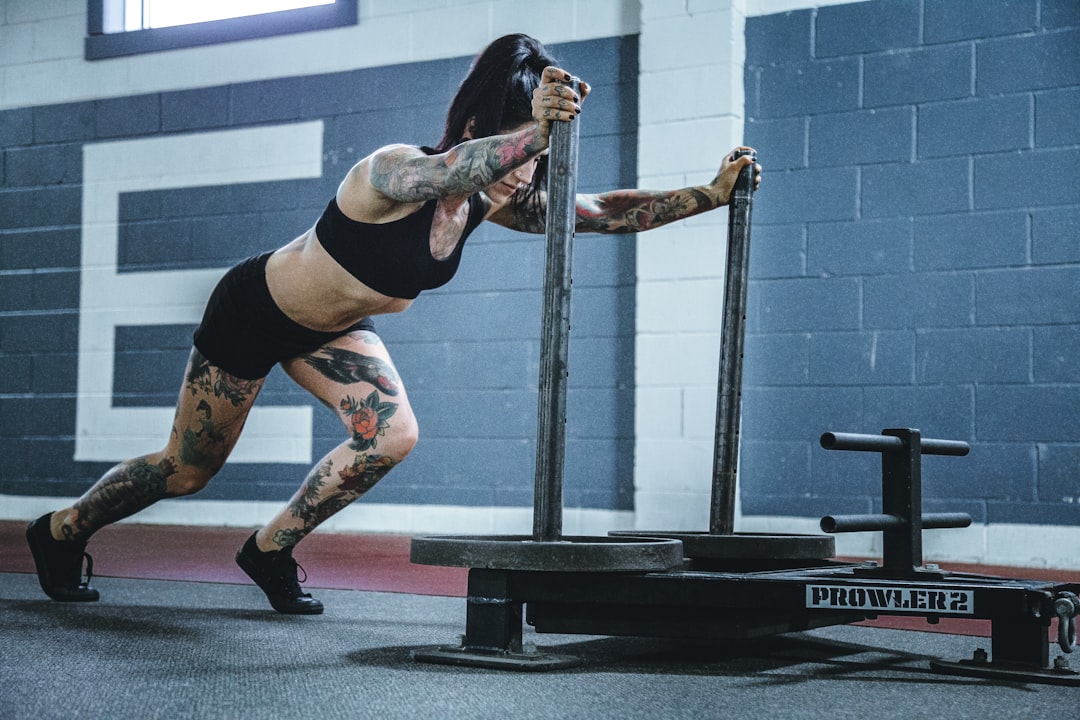
It's 08:00 in late July, you're two runs into a Hyrox simulation, and the sled hasn't even started punishing you yet. The thermometer says 32°C, the sea breeze has gone quiet, and your heart rate is 15 beats higher than it was in April at the same pace. Welcome to summer training in Malta.
Racing and training through a Mediterranean summer isn't a reason to hide indoors until October. It's a skill. Handled well, the heat becomes a training stimulus you can actually use. Handled badly, it turns every session into a slog that teaches you nothing except how to feel miserable. This guide is about doing hyrox training in hot weather the smart way — built around Malta's climate, not against it.
Why the Maltese summer hits Hyrox athletes so hard
Hyrox is relentless by design. The eight HYROX stations are the SkiErg, Sled Push, Sled Pull, Burpee Broad Jumps, Rowing, Farmers Carry, Sandbag Lunges, and Wall Balls, and they always appear in this order, each one following a 1km run. Add it up and you cover 8km of running broken into 1km chunks, sandwiched between eight energy-sapping stations.
Now stack Malta's climate on top. In July the average temperature is around 27°C, with daily highs and lows of 32°C and 27°C, and despite the intense heat and sunshine Malta stays very humid thanks to the surrounding sea. Humidity is the real villain here. When the air is already saturated with moisture, sweat evaporates less efficiently — and evaporation is your main cooling mechanism. During the warmest month, August, combined with high humidity, the temperature can feel even warmer than the thermometer shows.
Physiologically, this matters. Sweat secretion can result in a net loss of body water, and thereby a reduction in blood volume. Less blood volume means your heart works harder to push blood to both your working muscles and your skin for cooling. That's why your pace feels heavier for the same effort in summer — your body is quite literally doing two jobs at once.
Heat acclimatisation: train the adaptation, not just the workout
Here's the encouraging part. Your body adapts to heat remarkably well if you give it consistent, structured exposure. This is a genuine performance lever, not just damage control.
Classic adaptations after heat acclimation include an increase in sweating response and a decrease in heart rate, core temperature, skin temperature, and perceived exertion during exercise in the heat. In plain terms: you start sweating sooner and more efficiently, your heart rate settles down, and hard efforts start to feel manageable again.
The timeline is realistic for the average GymDog athlete. Generally, about 1-2 weeks of roughly 90-minute daily heat exposures are required, though highly aerobic-fit athletes can acclimatise faster. You don't need to move to the desert — you need a plan.
A sensible acclimatisation block for Malta
- Weeks 1–2: Introduce heat gradually. Keep intensity modest and let duration and the environment do the work. Early morning or evening sessions outdoors.
- Weeks 3–4: Layer race-specific intensity back in — run intervals, sled work — now that your body tolerates the environment.
- Race week: Don't lose the adaptation. Keep some heat exposure ticking over rather than hiding in air conditioning the whole time.
Treat this as a training variable you periodise, exactly like volume or intensity. Note this is about performance conditioning, not a medical protocol — if anything feels wrong, stop and cool down.
Hydration timing: before, during and after
Hydration in a Maltese summer isn't about chugging a litre right before you train. It's about timing and consistency across the whole day. The goal is to arrive at the session already topped up, not playing catch-up.
Before
- Sip steadily through the day — aim to be well hydrated in the hours before training rather than front-loading at the last minute.
- Check the simple markers: pale-straw urine and no raging thirst before you start.
- For early sessions, a glass of water on waking helps offset overnight losses.
During
Because sweat secretion can result in a net loss of body water and a reduction in blood volume, replacing fluid during long summer sessions genuinely helps you hold pace and effort. On a 60–90 minute session, keep a bottle accessible and drink at natural breaks — between run reps or after a station. Because you'll sweat harder and lose electrolytes in Malta's humidity, plain water alone across very long, sweaty sessions may not be ideal for everyone; an electrolyte drink can help you keep drinking. (This is about training practicality and taste-driven intake, not a health claim.)
After
- Rehydrate progressively over the hours following a session rather than in one go.
- Weigh yourself before and after long sessions if you want real data — the difference is mostly fluid, and it tells you how much you tend to lose in local conditions.
- Pair fluids with a normal balanced meal so you're recovering for tomorrow's work.
Indoor vs outdoor: how to split your summer sessions
Malta doesn't give you many genuinely cool training windows in July and August, so you have to be deliberate about where each session lives. The trick is matching the environment to the purpose of the workout.
What belongs outdoors
Outdoor running earns its place because Hyrox is a running race with strength stations attached, and race day is rarely climate-controlled. Do your acclimatisation runs and easy aerobic volume outdoors — but shift them to the edges of the day.
- Early morning (before 08:00): the coolest, most humid window. Ideal for easy runs and Zone 2 work.
- Evening (after 19:00): hotter surfaces but lower sun. Good for tempo work if mornings don't suit.
- Avoid the 11:00–16:00 block for anything hard. That's survival territory, not training territory.
What belongs indoors
The sled is the obvious candidate. Sled push and sled pull are maximal-grip, maximal-leg efforts — most of the Hyrox race is performed at hard to very hard intensity, above 80% of maximal heart rate, and the sleds sit right at the top of that. Trying to hit quality sled intervals on baking asphalt at midday is a fast track to a junk session.
- Keep high-intensity sled, SkiErg, row and wall-ball intervals for a ventilated or air-conditioned box where you can actually chase the intended output.
- Use indoor sessions for skill and pacing precision — the numbers you hit indoors give you a clean reference point.
- Save one deliberate "heat sled" session outdoors when you specifically want the acclimatisation stimulus, done at controlled effort.
Kit that makes summer training workable
You don't need much, but the right gear removes friction: a decent sled and turf strip you can run early before the surface heats up, a rower or SkiErg positioned where air moves, a wall-ball target in shade, and enough water bottles that you're never hunting for one mid-session. Breathable clothing and a sweat towel aren't luxuries in this climate — they're what let you keep training instead of stopping.
Pacing adjustments for summer racing
The single biggest mistake in summer Hyrox is pacing off your winter numbers. Your April 1km split is not your August 1km split, and pretending otherwise blows up your whole race.
Run pacing
- Add a buffer to your run splits. Expect to run a little slower for the same internal effort in heat and humidity — that's normal, not a fitness loss.
- Pace by feel and heart rate, not just the watch. Because heat pushes heart rate up, lock onto perceived effort as your anchor.
- Protect the first two runs. Going out hard when you're not yet warm to the heat is how athletes cook themselves before the sled pull.
Station pacing
- Sleds: break them into planned segments rather than one hero push. In the heat your recovery between efforts is slower.
- Wall balls and burpee broad jumps: steady, unbroken-but-manageable rhythm beats a fast start and a stall.
- Grip stations (farmers carry, sled pull, row): humidity makes hands slip and forearms fatigue faster, so plan your grip breaks in advance.
Then there's the transition zones — the often-overlooked seconds walking to and from stations. In summer, use them. A few controlled breaths, a splash of water, a moment to drop your heart rate. It's not lost time; it's what keeps the back half of your race from falling apart.
Reading the conditions before you train
One habit separates athletes who train well through the Maltese summer from those who just suffer through it: they check the conditions before deciding what the session will be. The thermometer only tells half the story, because humidity changes how that temperature feels and how hard your body must work to cool itself.
Build a quick two-minute routine before every summer session:
- Check the actual and "feels-like" temperature. On humid Maltese mornings the two can differ by several degrees, so plan the session around the higher of the two.
- Note the wind. A working sea breeze aids evaporation and cooling; a still, sticky morning does the opposite. If the air is dead calm, dial the intensity back a notch.
- Be honest about sleep and yesterday's fluid intake. Turning up under-slept and under-hydrated turns a moderate session into a hard one before you have even started.
Give yourself permission to adjust the plan on the day. Swapping a hard outdoor tempo for an indoor erg session because the morning is unusually oppressive is not weakness — it is the kind of decision that keeps you training consistently across a whole summer instead of burning out in the first fortnight.
Cooling strategies that actually help
Beyond hydration and timing, a few simple cooling tactics let you get more quality work done in the heat. None of these are medical interventions — they are practical ways to keep your body comfortable enough to keep working.
- Pre-cool where you can. Starting a session already cool — a cold shower beforehand, or training straight after time in a shaded, ventilated space — buys you a little headroom before your temperature climbs.
- Use water externally, not just internally. A splash over the head and neck during transitions genuinely helps you feel fresher through a long session.
- Wear light, breathable, light-coloured kit. It reflects sun and lets sweat do its job. Save the compression gear and dark colours for cooler months.
- Find shade for your stations. Positioning the wall-ball target or sled turf out of direct sun makes a real difference to how a session feels by the halfway point.
Listen to your body throughout. Dizziness, unusual weakness, or stopping sweating are signals to stop, cool down and rest — not to push through. Consistency over the whole season beats any single heroic session.
Putting it together: a sample summer training week
Here's how the principles above stack into a realistic week for a Malta-based Hyrox athlete in peak summer.
- Monday — Indoor intervals: SkiErg/row and wall-ball quality work in the box.
- Tuesday — Early run: easy aerobic outdoor volume before 08:00 for acclimatisation.
- Wednesday — Indoor strength + sled: controlled sled push/pull intervals where you can hit numbers.
- Thursday — Rest or mobility.
- Friday — Evening tempo: outdoor run intervals after 19:00.
- Saturday — Compromise session: a shortened Hyrox simulation, part outdoor runs, part indoor stations, paced by effort.
- Sunday — Easy movement and hydration reset before the next block.
The bottom line
Malta's summer is a genuine variable in your Hyrox preparation, but it's a manageable one. Acclimatise deliberately over a few weeks, time your hydration across the whole day rather than in panic gulps, put your hard sled and erg work indoors while keeping runs outside at the cool edges of the day, and pace off effort instead of your winter splits. Do that, and the heat stops being the thing that beats you — it becomes part of why you're ready when the season turns and the racing gets serious.
Train smart, stay cool where it counts, and let the summer make you tougher.
Frequently asked questions
How long does it take to acclimatise to training in Malta's summer heat?
Research suggests roughly one to two weeks of consistent daily heat exposure (around 90 minutes) is enough for meaningful adaptation, and well-conditioned athletes may adapt faster. Treat it as a structured training block rather than a one-off session.
Should I do sled sessions indoors or outdoors in summer?
For quality sled intervals, indoors or a ventilated box is best because sleds are near-maximal efforts and midday heat wrecks your output. Keep one controlled outdoor sled session if you specifically want the heat-acclimatisation stimulus at manageable effort.
How should I adjust my Hyrox run pace when it's hot and humid?
Expect to run slightly slower for the same internal effort, and pace by perceived effort and heart rate rather than chasing your winter splits. Protect the first two runs especially, since going out too hard before you're warmed to the conditions tends to backfire later in the race.
When is the best time of day to train outdoors in a Maltese summer?
Before 08:00 is the coolest and best window for easy runs and aerobic work, with after 19:00 as a solid alternative. Avoid hard efforts in the 11:00 to 16:00 window, which is best treated as time to rest rather than train hard.
Is water enough for hydration during long summer sessions?
For short, everyday sessions, water is usually fine. For long, very sweaty sessions in Malta's humidity you lose more fluid and electrolytes, so an electrolyte drink can make it easier to keep drinking and hold your effort. This is about training practicality, not a health claim.