The Best Jump Rope for Double-Unders and the Right Shoes for Hyrox Runs
09 Aug 2026
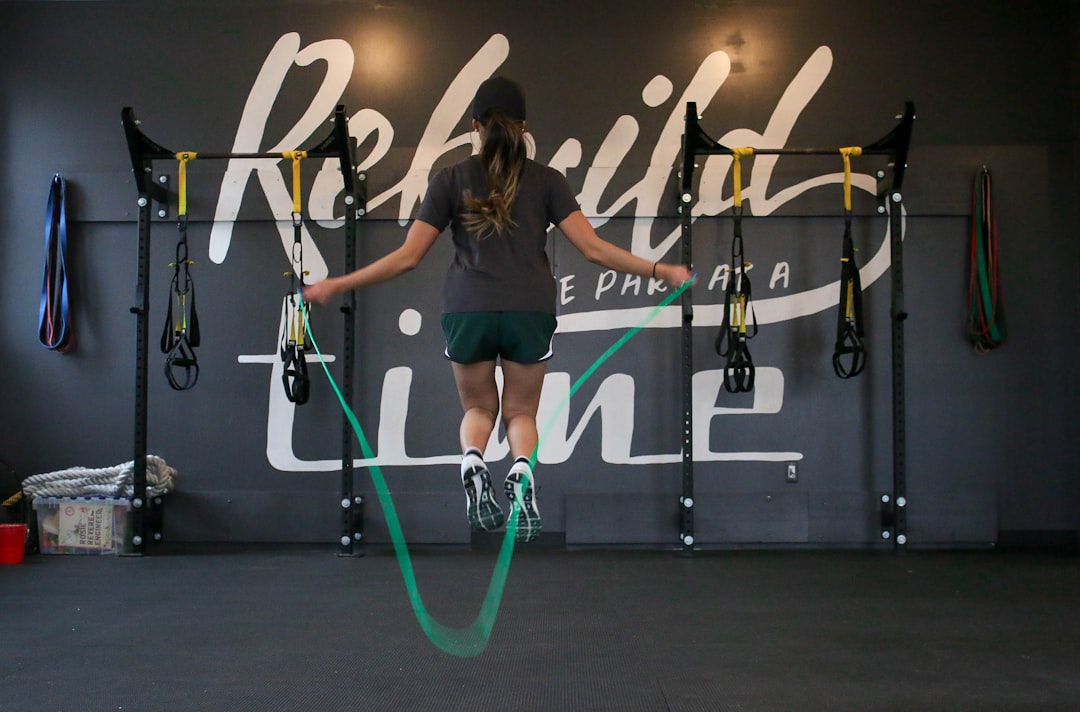
Two skills, one wardrobe of gear
You are three minutes into a workout in a warm box in Msida. The whiteboard says double-unders, then a run around the block, then wall balls. Your rope keeps clipping your toes, and the running shoes you grabbed feel like sponges under a heavy squat. Sound familiar? Mixed-modality athletes in Malta juggle rope work, running and lifting in the same session, and the gear that helps one skill can quietly sabotage another.
This is a decision checklist, not a shopping spree. We will pair rope cable weight and length with the right shoe type for double-unders and for Hyrox-style runs, so you can build a small, smart kit that carries you from the skipping mat to the road to the sled.
The best jump rope for double unders: start with the cable
Ask ten coaches which is the best jump rope for double unders and you will get one honest answer: it depends on your level. The single biggest variable is cable weight, because that is what gives you feedback – the ability to feel where the rope is as it travels around your body.
A rope that is too light offers almost nothing to feel. As one specialist put it, a rope that is too light (most speed jump ropes) will offer near-zero feedback, so it will be difficult to understand where the rope is as it spins around your body.
Cable weight, by experience level
- Learning (0 to ~20 unbroken): heavier is your friend. a jump rope cable weight over 3 ounces, and my personal favorites are in the 4 to 5 ounce range – it won't be the fastest rope you'll ever spin, but it will help you maintain control. That extra weight also helps you feel the rhythm and build your double-under timing, since a heavier rope will also help you develop your double-under muscles.
- Intermediate (comfortable with sets): a mid-weight feedback cable is the sweet spot. for training we recommend training with a cable that has a bit more feedback, such as a buff cable (weighing 3.4oz) or an elite cable (weighing 2.6oz).
- Advanced (50+ unbroken, chasing speed): go lighter and thinner. most speed jump ropes come with cables that weigh 1-2 ounces, and for athletes who can string 50-plus double-unders, for athletes mastering over 50 unbroken double unders, switching to an uncoated cable can offer advantages: these thinner cables slice through the air more efficiently, enhancing speed and efficiency, though they are prone to fraying and may not be suitable if you frequently trip over the rope.
Cable material and thickness
There are two common cable types: coated wire and PVC “licorice” cord. Most double-under ropes use a nylon-coated steel wire. For thickness, the thicker cord will slow you down and provide feedback so that you can feel where the rope is during your jumps, which helps you build a strong foundation; if you are a more advanced jumper, a 3mm or less nylon coated wire cable will reduce air resistance and make it much easier to turn the rope.
Practical Maltese tip: if you train outdoors on the promenade or on concrete, a coated wire or a durable PVC cord survives far longer than a bare, uncoated speed cable. Save the thin uncoated cable for indoor rubber mats.
Getting the length right
Even a perfect cable trips you if the rope is the wrong length. The classic self-fit: stand on the middle of the cable with one foot and pull the handles up. As a rough guide, the handle tops should reach somewhere around your mid-chest to armpit for a controlled double-under; taller athletes and beginners often prefer a touch longer for margin, while advanced jumpers trim shorter for speed.
- Too long: the rope arcs wide and slow, and the cable slaps the floor, killing your rhythm.
- Too short: you have to shrug and tuck, clipping the rope on the way over – the classic toe or shin welt.
Because your ideal length shifts as you improve, choose a handle with easy, tool-free adjustment. it is important to select a versatile handle, because having the option of sizing down your cable and cord with a single handle provides you with the most opportunity for success.
Handles and bearings
Two quiet details make a big difference. First, grip: knurled aluminium or contoured rubber handles keep the rope in sweaty hands – and Maltese summers are sweaty. Second, the bearing. typically, plastic handles do not include ball bearings, while metal bearings provide a much higher spin rate and lower resistance for turning the rope, and the lower the resistance, the easier it is to complete two rotations for every jump.
A simple rope buying checklist
- Level: Learning? 4–5 oz feedback cable. Intermediate? ~2.6–3.4 oz. Advanced/speed? 1–2 oz, thin coated or uncoated.
- Surface: Indoor mats → thin coated/uncoated fine. Concrete/outdoors → thicker coated wire or PVC.
- Length: Handles reach mid-chest to armpit when you stand on the cable; buy adjustable.
- Handles: Grippy, and ideally with ball bearings for a smoother, faster turn.
- Future-proofing: One handle set that accepts multiple cable weights beats buying three whole ropes.
Common rope mistakes that cost you reps
Most tripping is not a fitness problem, it is a setup problem. Before you blame your engine, run through these:
- Chasing the fastest rope too early. A featherlight cable feels pro, but with no feedback you cannot time the second turn. Earn the light cable by mastering the heavier one first.
- Wrong length for your body. Two athletes of different heights should never share a rope on a serious set. Fit yours once, note the setting, and leave it.
- Big arm swings. Double-unders come from fast wrists, not big shoulders. A slightly heavier cable teaches this, because you feel the rope respond to small wrist flicks.
- Jumping too high. You only need a couple of centimetres of clearance. A rope sized to mid-chest gives you time without forcing a tuck-jump.
- A kinked cable. A knotted cable travels unpredictably. Store it hung or loosely coiled, not tangled in the bottom of your gym bag.
Durability, budget and travelling
You do not need the most expensive rope in the shop; you need the right cable on grippy handles. A sensible way to spend:
- Entry: a durable coated-wire speed rope with tough plastic handles. Nearly indestructible, fine for learning, and cheap enough to keep one in your bag and one at home.
- Step up: an aluminium or contoured-rubber handle with a ball-bearing swivel and swappable cables. This is the version most committed athletes settle on, because one handle set covers learning, training and speed as you progress.
- Weighted or handle-loaded ropes: handy for building forearm and shoulder endurance and rhythm, but treat them as a training tool rather than your competition rope.
If you travel to compete abroad, a compact rope with tool-free adjustment is worth packing, because you arrive with the exact length and feel you trained on instead of borrowing an unfamiliar rope at the venue.
Now the feet: shoes for double-unders and Hyrox runs
Here is where mixed-modality athletes get caught. The shoe that is superb for a 5km road run is often wrong for wall balls and heavy carries, and vice versa. The key concept is heel-to-toe drop – the height difference between heel and forefoot – plus how much the sole compresses under load.
What double-unders and lifting want
For skipping and barbell work you want a stable, low-drop, firm-soled trainer. A flatter, firmer platform keeps you connected to the floor for squats, cleans and wall balls, and its low profile keeps you light and springy on the balls of your feet for double-unders. Big, soft running foam feels mushy here and can make you feel unstable under a loaded barbell.
What Hyrox and CrossFit runs want
Hyrox is the classic mixed test: it alternates eight 1km runs with eight functional workout stations, so roughly half your race is pure running on flat indoor surfaces. A firm CrossFit trainer that is perfect for the sled and wall balls can feel harsh over 8km of running. A more cushioned shoe protects your legs across those kilometres but may feel unstable when you hit the strength stations.
That tension is the whole shoe question. Your options:
- One do-it-all functional trainer: a moderate-drop, reasonably firm CrossFit-style shoe (often around a 4mm drop) that skips, lifts and runs “well enough.” Best if your running volume is modest and you value simplicity and one bag.
- A dedicated Hyrox/hybrid running shoe: more forefoot cushioning and a slightly higher stack for the runs, but still stable enough to survive lunges and wall balls. Best if you race Hyrox or run a lot within your training.
- Two shoes: a firm trainer for skill-and-strength days and a cushioned pair for run-focused days. Best for higher-volume athletes who want each tool doing its job.
Malta-specific notes
- Heat and sweat: breathable uppers matter for local summer training – pair them with grippy rope handles for the same reason.
- Outdoor surfaces: our roads, promenades and rocky coastal paths are unforgiving; a bit more outsole rubber and cushioning pays off if you run outside rather than on a treadmill.
- Indoor Hyrox terrain: Hyrox runs happen on flat, hard indoor floors, so you do not need trail grip – you need stable cushioning and confident traction for quick turns in the roxzone.
Fit and lacing details that matter
Two shoes with the same drop can still feel completely different once you load them. Check these before you commit:
- Heel lockdown. Your heel should not lift on the pull of a rope or the drive of a sled. A secure heel keeps your calf doing the work on double-unders instead of fighting the shoe.
- Forefoot width. You want your toes to spread on landings and under a heavy squat. A cramped toe box feels fine in the shop and miserable at rep forty.
- Upper durability. Rope work, burpees and lunges scuff the toe and medial side. A reinforced upper lasts far longer if you skip a lot.
- Outsole grip. Indoor Hyrox floors and rubber gym mats reward a grippy, fairly flat outsole for quick changes of direction in the transition zone.
As a rough guide on sizing, many athletes go true-to-size for a firm functional trainer but leave a little extra room in a cushioned running shoe for longer efforts, when feet swell over multiple kilometres. Try both under fatigue if you can, not just fresh in a fitting.
Pairing it all together
Think of your kit as pairs matched to the session, not a single “best” answer:
- Skill + strength day (double-unders, lifting): feedback-weight cable sized to mid-chest/armpit + firm, low-drop trainer.
- Conditioning day (double-unders in a WOD): a mid-weight cable you trust under fatigue + your do-it-all functional trainer.
- Hyrox or run-heavy day: your fastest reliable cable for the skip station + a cushioned hybrid or dedicated running shoe.
Notice the rope choice barely changes once you have found your feedback weight and length – which is exactly why owning your own rope matters. having your own speed rope allows you to have the same rope every time so you can become familiar with its weight, length and feel, which leads to improved coordination and timing so you can jump more efficiently. Borrowing a random box rope on comp day is how good athletes trip on move one.
The bottom line
The best jump rope for double unders is the one matched to your current level: heavier for feedback while you learn, lighter and thinner as you chase speed, always sized so the handles reach mid-chest to armpit and always on grippy, ideally bearing-equipped handles. Then let your shoes follow the session – firm and low for skipping and lifting, more cushioned for Hyrox and longer runs. Get those two pairings right and the only thing left to blame is your rhythm.
Frequently asked questions
What is the best jump rope for double unders if I'm just starting out?
Choose a heavier cable for feedback. Coaches often recommend a cable over 3 ounces, around 4 to 5 ounces, while learning, because the extra weight lets you feel where the rope is and build timing. Size it so the handles reach roughly mid-chest to armpit, and pick grippy, adjustable handles you can lighten later.
How do I know if my rope is the right length?
Stand on the middle of the cable with one foot and pull the handles straight up. For controlled double-unders they should reach around mid-chest to armpit height. Too long and the rope arcs slow and slaps the floor; too short and you clip your toes or shins. Buy a handle with tool-free adjustment so you can shorten it as you get faster.
Do I need different shoes for double-unders and Hyrox runs?
Not necessarily, but it helps. Double-unders and lifting reward a firm, low-drop, stable trainer, while Hyrox and longer runs reward more cushioning. A moderate CrossFit-style shoe can do both well enough; higher-volume athletes often keep a firm trainer for skill and strength days and a cushioned pair for run-focused days.
Is a light speed rope or a heavier rope better for CrossFit workouts?
Use the lightest cable you can control cleanly under fatigue. Speed cables of 1 to 2 ounces are fastest for advanced athletes, while mid-weight feedback cables of about 2.6 to 3.4 ounces suit most people in daily training. Save ultra-light uncoated cables for indoor rubber mats, since they fray quickly on concrete.
Can I train double-unders outdoors in Malta on concrete?
Yes, but choose your cable accordingly. A durable coated wire or PVC cord handles rough outdoor surfaces far better than a thin uncoated speed cable, which is best kept for indoor mats. Grippy handles also help in the local heat, when sweat makes lightweight handles harder to hold.