The Perfect Hyrox Warm-Up Routine: A 20-Minute Race-Day Plan for Maltese Athletes
27 Aug 2026
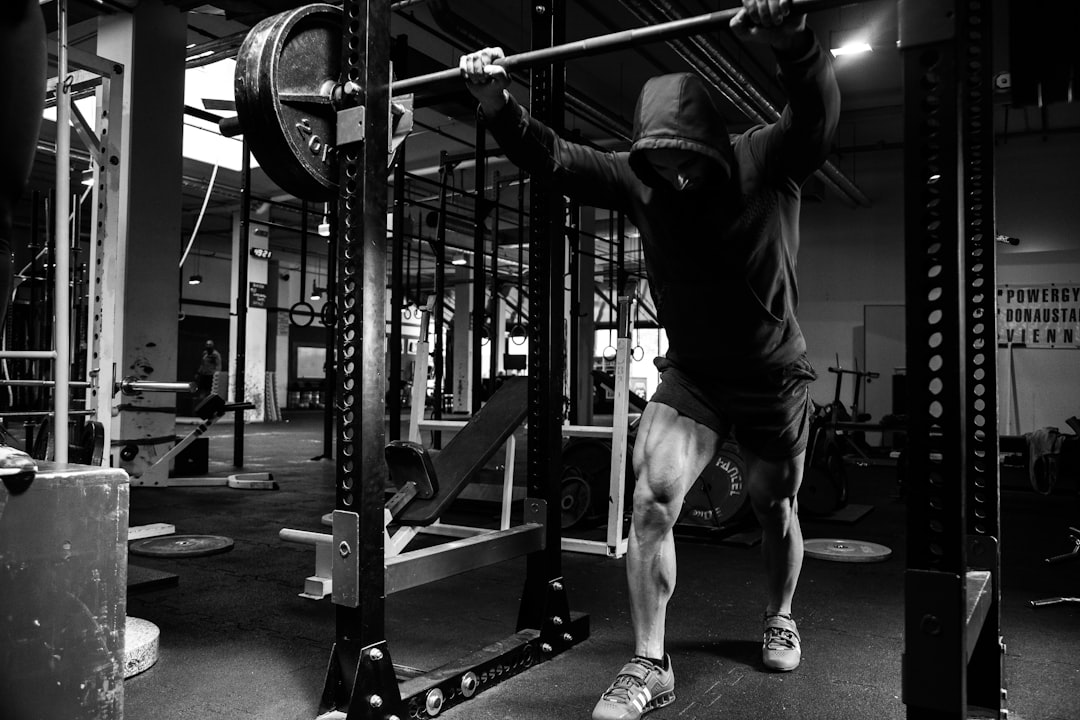
You've trained for months. You know your sled splits, your wall-ball pace, your run cadence. Then race morning arrives, you're funnelled into a packed start pen with 20 other athletes, the venue is warm and humid, and you've got maybe fifteen minutes of usable space and a floor the size of a beach towel. This is where a lot of Hyrox performances quietly leak time, before the gun has even gone off.
The first two minutes of a Hyrox race are brutal precisely because they feel deceptively simple. You break into a 1km run, then hit the SkiErg for 1000m, and if your body isn't ready your heart rate spikes, your form falls apart, and you spend the next few stations paying it back. A good hyrox warm up routine solves that, but only if it's realistic for the conditions you'll actually face on the day.
Below is a timed, 20-minute sequence built for exactly those constraints: limited space, warm venues, and the need to be ready without cooking yourself before the start. It's the same structure we'd coach an athlete through at GymDog, adapted for a Maltese race weekend where the room is rarely cool and the pen is rarely spacious.
Why a Structured Hyrox Warm-Up Matters
Hyrox is a race of eight 1km runs alternating with eight functional stations. That opening sequence, a full-effort kilometre straight into the SkiErg, demands that both your aerobic system and your upper body are primed from the first second. There is no easing-in lap.
Most athletes make one of two mistakes. They either under-prepare, jogging on the spot for two minutes and hoping adrenaline covers the rest, or they over-prepare, smashing out a hard ski and a set of heavy lunges twenty minutes before the start and arriving at the line already fatigued. The goal of a proper warm-up is to raise your core temperature, open the joints you'll load first, and switch on the specific muscles for the run and ski, while spending as little energy as possible.
In a warm venue this balance shifts. When the room is already 26–28°C, you need less time raising your pulse and more attention on staying loose without overheating. That's why the routine below front-loads mobility and keeps the hard efforts short and sharp.
The Three Phases at a Glance
- Phase 1 – Pulse-raiser (0:00–7:00): gradually lift heart rate and body temperature.
- Phase 2 – Mobility and movement prep (7:00–14:00): open the hips, ankles, shoulders and thoracic spine.
- Phase 3 – Station-specific activation (14:00–20:00): prime the SkiErg and the first run, finishing with two short race-pace primers.
The whole thing is designed to finish 3–5 minutes before your wave is called, so you walk to the line warm but not winded.
Phase 1: The Pulse-Raiser (0:00–7:00)
Start this the moment you have space, roughly 20 minutes before your projected start. The aim is a gradual climb, not a sudden spike. You want to break a light sweat and feel your breathing deepen, nothing more.
Minutes 0:00–4:00 — Easy movement
If you can get outside the pen or into a warm-up area, an easy jog is ideal. If you're stuck in a crowded space, march on the spot and progress into a light jog in place, adding arm swings. In metric terms, think of this as a 4-minute effort at conversational pace, around a 6 out of 10 you could still chat through.
- 0:00–1:00 – marching or slow jog, relaxed shoulders
- 1:00–2:00 – add high knees for 20 seconds every minute
- 2:00–3:00 – add heel flicks and gentle skipping
- 3:00–4:00 – build to a steady jog, breathing deeper
Minutes 4:00–7:00 — Dynamic full-body
Now bring the whole body into it without adding load:
- 10 leg swings front-to-back each leg
- 10 leg swings side-to-side each leg
- 10 arm circles forward, 10 backward
- 10 bodyweight squats, moving a little faster each rep
- 5 inchworms with a gentle reach at the top
By minute seven you should feel warm, loose and lightly sweating. If the venue is very hot, keep this phase to the lower end and don't chase sweat, you'll get there quickly.
Phase 2: Mobility and Movement Prep (7:00–14:00)
This is where you buy yourself insurance against the first run and ski. Hyrox loads your hips, ankles, shoulders and mid-back hard and early. Seven focused minutes here pays off across the whole race.
Lower body (7:00–10:30)
- World's greatest stretch – 5 per side, moving slowly through the lunge, rotation and hamstring reach.
- Deep squat holds – 3 x 10 seconds, gently pushing knees out. This opens the hips and ankles you'll need for the sled and lunges later.
- Ankle rocks – 10 per side in a half-kneel, driving the knee over the toe. Malta's races are indoors on firm flooring, so ankle stiffness shows up fast on the runs.
- Walking lunges with reach – 8 per leg, reaching the arm overhead to open the front of the hip.
Upper body and spine (10:30–14:00)
The SkiErg is 90% posterior chain, lats and trunk, so prep them properly:
- Band or towel pull-aparts – 15 reps, if you've packed a light resistance band. No band? Use big scapular squeezes with straight arms.
- Overhead reaches and lat stretch – 20 seconds per side, feeling the lat lengthen. These are the muscles that drive the ski pull.
- Thoracic rotations – 8 per side from a half-kneel or standing, hand behind the head.
- Shoulder pass-throughs – 10 slow reps with a band or towel, wide grip.
Keep everything here controlled and unhurried. This phase should lower your heart rate slightly from the pulse-raiser, which is exactly what you want before the sharp work to come.
Phase 3: Station-Specific Activation (14:00–20:00)
This is the part most athletes skip, and it's the most important six minutes of the whole routine. You're now switching the nervous system on for the two things you'll do first: run hard, then ski hard.
Minutes 14:00–16:00 — SkiErg primer
If a warm-up SkiErg is available, use it. Two short, controlled efforts teach your body the movement pattern and the breathing rhythm without draining you:
- 30 seconds easy ski, focusing on full extension and a strong hip hinge
- Rest 30 seconds
- 20 seconds at roughly race pace, then ease off
No machine free? Mimic the pattern standing: hinge at the hips, drive the arms down and back like you're pulling the handles, 2 sets of 15 controlled reps. The point is to remind your lats and trunk what's coming and to rehearse the exhale on the pull.
Minutes 16:00–18:00 — Run primer
The opening kilometre is often run too fast on adrenaline. Rehearsing your target pace now helps you settle instantly when the gun goes:
- 2–3 short strides or accelerations, 15–20 metres each if you have the room, building to about 90% and floating out
- If space is tight, do 3 x 20 seconds of fast feet on the spot with a quick, light turnover
Focus on relaxed shoulders and a quick cadence. You're teaching your legs to fire without going into full sprint fatigue.
Minutes 18:00–20:00 — Final activation and reset
Finish with a couple of low-rep primers and then settle:
- 5 explosive-but-controlled bodyweight squats or squat jumps
- 5 fast band pull-aparts or scapular squeezes
- 3 deep nasal breaths, long exhales, to bring your heart rate down and steady the nervous system
Then stop. Walk to your pen, keep moving gently, and resist the urge to do "just one more" set. If there's a delay before your wave, do 20 seconds of easy marching every few minutes to stay warm rather than repeating the whole sequence.
Common Warm-Up Mistakes to Avoid
Even athletes with strong engines lose time by getting the warm-up wrong. A few patterns show up again and again at races, and all of them are easy to fix once you know to look for them.
- Treating the ski like a workout. The SkiErg primer is a rehearsal, not a session. If you're breathing hard after it, you went too long. Twenty seconds at race pace is plenty to switch the pattern on.
- Ignoring the ankles. Stiff ankles rob you on every one of the eight runs and make the deep positions on the sled and lunges harder. Two minutes of ankle work early pays back across the whole race.
- Static stretching too much, too early. Long holds of a cold muscle before an explosive effort aren't what you need here. Keep the movement dynamic and save any long static holds for after you cross the line.
- Warming up too early and cooling down. If your wave is delayed and you finished 25 minutes ago, you're cold again. Time the routine to your actual start and top up with light movement if things slip.
- Skipping the run primer. The first kilometre is where adrenaline pushes people into the red. A couple of strides at target pace calibrates your legs so you can settle immediately instead of blowing up in the first 300 metres.
Fixing these isn't about doing more, it's about doing the right things in the right order. That's the entire logic of the sequence above.
Adapting the Routine for a Warm Maltese Venue
Race weekends in Malta, whether at a local functional-fitness event or when you're travelling to a Hyrox stop, often mean a warm, humid hall. Heat changes your warm-up maths.
- Shorten the pulse-raiser. In a hot room you'll reach working temperature faster, so trim Phase 1 toward five minutes and give the extra time to mobility.
- Manage fluids sensibly. Sip water through the warm-up rather than gulping just before the start. General hydration habits are a personal thing, so build yours in training, not on race day.
- Find airflow. Position yourself near a door or fan for the mobility phase if you can.
- Keep your kit ready. Layers you can strip off mean you can stay warm during any delay without overheating in the pen.
None of this is medical advice, just practical race-craft. Listen to your body, and if something feels off, ease back rather than pushing through.
What to Have in Your Warm-Up Kit
You don't need much, and everything here fits in a small bag. A compact, well-chosen kit means you can run this hyrox warm up routine anywhere, even in a corner of a crowded venue.
- A light resistance band or mini-band for pull-aparts and shoulder prep, the single most useful item for SkiErg activation.
- A jump rope as a space-efficient pulse-raiser when there's no room to jog.
- A small towel that doubles as a pass-through tool and keeps you dry in the heat.
- Comfortable warm-up layers you can shed quickly.
If you train regularly, it's worth owning a couple of quality bands and a decent rope so your warm-up feels identical whether you're at home, in the gym, or in a start pen. Consistency is what makes a warm-up automatic, and an automatic warm-up is one you'll actually do under pressure.
Putting It Together
The best warm-up is the one you rehearse. Run through this full 20-minute sequence in the final weeks of your training block so that on race day it's muscle memory, not a scramble. Time it, tweak it to your body, and know exactly which parts you can compress if the schedule slips.
Done well, you'll reach the start line warm, loose, mentally calm and physically ready to attack that first kilometre and the SkiErg that follows, without having spent the energy you need for the wall balls waiting at the end. That's the whole point: arrive ready, not tired.
Practise it, own it, and let the routine carry you to the line. The race will take care of itself from there.
Frequently asked questions
How long before my Hyrox start should I begin warming up?
Aim to start this 20-minute routine roughly 20 minutes before your projected wave, so you finish 3–5 minutes before you're called. That leaves you warm but not winded, with just enough time to walk to the pen. If there's a delay, keep moving gently with 20 seconds of easy marching every few minutes rather than repeating the full sequence.
What should I prioritise if I only have 10 minutes to warm up?
Compress the pulse-raiser to about 3 minutes of easy jogging or fast feet, spend 3–4 minutes on hip, ankle and lat mobility, then use the remaining time on the station-specific work: a short SkiErg primer and a couple of run strides. Never skip the SkiErg and run activation, since those are the first two efforts you'll face.
Do I need equipment to run this warm-up?
No, the routine works with just your bodyweight. A light resistance band and a jump rope make the SkiErg prep and pulse-raiser easier in tight spaces, and a small towel can stand in for a band on pass-throughs. Everything fits in a small bag so you can warm up in a corner of a crowded venue.
How do I stop myself burning energy in the warm-up?
Keep the hard efforts short and few. The pulse-raiser stays conversational, mobility is unhurried, and the only near-race-pace work is a 20-second ski primer and two or three short run strides. Once you finish, stop and resist the urge to do 'just one more' set before the gun.
Should I change the warm-up for a hot, humid venue?
Yes. In a warm room you reach working temperature faster, so shorten the pulse-raiser and give that time to mobility. Position yourself near airflow, sip water rather than gulping, and use layers you can strip off so you stay ready without overheating in the pen.