What to Wear for Hyrox: A Maltese First-Timer's Kit and Gear-Bag Checklist
09 Aug 2026
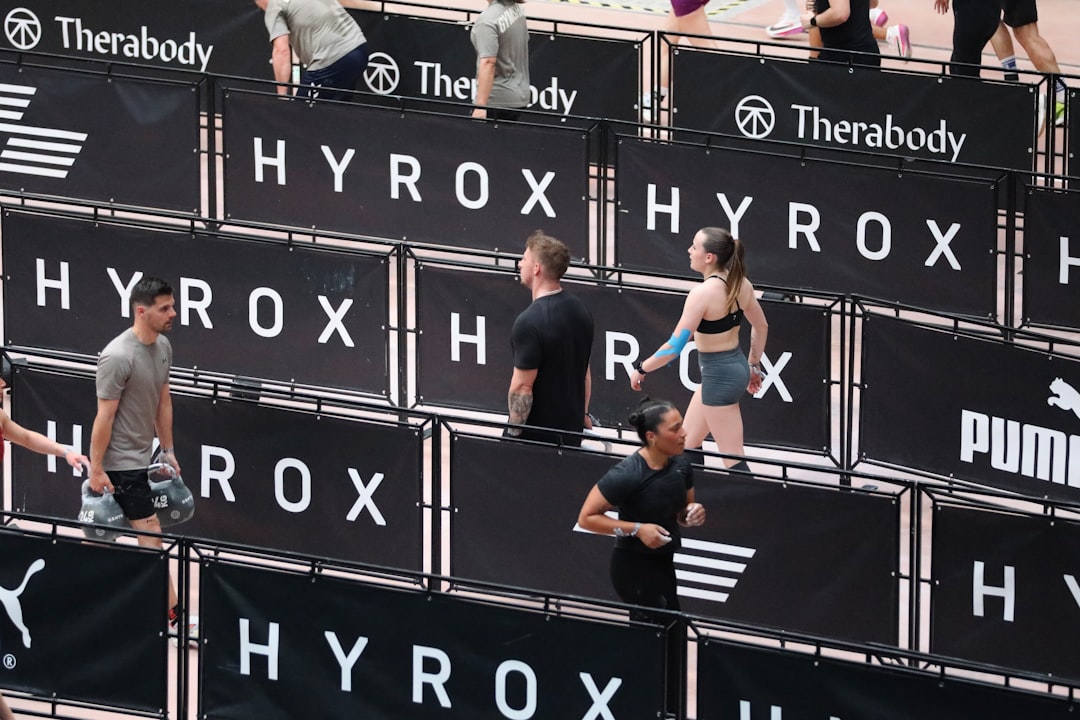
You have signed up for your first Hyrox. The training is going in, the sled no longer terrifies you, and now the nervous energy is landing on a strangely practical question: what do I actually pack? Get your kit right and you barely think about it on race day. Get it wrong and you spend eight runs fighting a waistband, chasing a loose lace, or hunting for a water bottle you left in the car.
This is a head-to-toe, no-nonsense guide to what to wear for Hyrox, plus a full gear-bag checklist. It is written for Malta-based first-timers, whether you are racing a local event or flying to Italy, Spain, Germany or the UK for one of the bigger European stops. Everything here is about performance and comfort — nothing medical, no miracle products, just what works when you are running 8 km and grinding through eight stations.
A quick reminder of what your kit has to survive
Before we talk fabric and footwear, remember what the race asks of you. A standard Hyrox is eight 1 km runs, each followed by a functional workout station: SkiErg, sled push, sled pull, burpee broad jumps, rowing, farmers carry, sandbag lunges and, finally, wall balls. That is roughly 8 km of running interrupted by heavy pushing, pulling, carrying and throwing.
Your clothing has to do two contradictory jobs at once: let you run light and breathe, and stay put while you shoulder a sandbag or drop into a wall-ball squat. That tension — light versus locked-down — is the thread running through every choice below.
What to wear for Hyrox: head to toe
Shoes: your single most important decision
If you only obsess over one item, make it your shoes. You need a hybrid: enough cushioning and responsiveness to run 8 km, but a stable, relatively firm platform for pushing a sled and staying grounded under a loaded lunge. A pure road-running shoe with a soft, high stack can feel wobbly under the sled; a stiff lifting shoe will wreck your runs.
- Look for: a moderate stack height, a firm heel that does not collapse sideways, decent grip, and a snug midfoot so your foot does not slide forward on the runs.
- Avoid: brand-new shoes you have never run in. Race in a pair you have already trained several sessions in.
- Malta note: most local functional-fitness shoes are built for indoor gym flooring. Hyrox venues are typically indoor arenas with rubber running lanes, so a training-focused hybrid shoe is usually a safer bet than aggressive trail lugs.
Whatever you choose, double-knot your laces or use a lace-lock. There is nothing worse than stopping mid-run to re-tie.
Socks: quietly race-defining
Long runs plus sweat plus repeated direction changes is a recipe for blisters if your socks are wrong. Choose a technical running sock in a moisture-wicking synthetic or merino blend — never cotton, which holds water and rubs. A slightly cushioned crew or ankle sock that grips the foot reduces movement inside the shoe.
Some athletes like grip socks for extra lock-in, but the priority is simply a snug, seam-friendly sock you have tested on a long session. Pack a spare pair in your bag; if you get caught in a rainy pre-race warm-up, dry feet at the start line are a genuine advantage.
Bottoms: shorts, tights or 2-in-1?
For the lower half, the winners are usually compression shorts, running shorts with a liner, or full-length compression tights. The goal is a garment that moves with you and stays exactly where you put it during the sandbag lunges and wall balls.
- Compression shorts or tights: a favourite for Hyrox because they do not ride up, chafe less, and keep everything supported through squats and carries.
- 2-in-1 shorts (liner plus outer): a good middle ground — the freedom of shorts with the security of a liner.
- Loose gym shorts: comfortable to run in, but the outer fabric can catch or bunch under the sandbag. Test before you commit.
Whatever you pick, check for a phone or gel pocket, and make sure the waistband does not dig in when you fold into a squat.
Tops: light, fitted and chafe-free
Up top, go for a fitted, sweat-wicking technical tee, tank or singlet. Fitted matters: a baggy shirt drags on the SkiErg handles and can bunch under the farmers carry. Women should choose a supportive, tested sports bra and, if wearing a crop or singlet, make sure there are no seams that rub under the arm during rowing and skiing.
Avoid brand-new tops on race day, and avoid heavy cotton. If your event runs a team or affiliate wave, a light club singlet is a nice touch — just make sure you have trained in it at least once.
Compression wear and layers
Compression tights or calf sleeves are popular for comfort and that dialled-in feeling, and plenty of first-timers like them for the runs. Treat them as a preference, not a requirement — wear them because you have trained in them and they feel good, not because you saw them online.
For layers before the gun goes: Hyrox arenas can be warm and humid once thousands of athletes are moving, but the warm-up and staging areas can be cooler. Pack a light long-sleeve or hoodie and joggers to stay loose before your wave, then strip down to your race kit. In Malta a winter race abroad may mean a genuinely cold arrival, so a warm layer for travel and warm-up is worth the bag space.
Gloves and grip
Gloves are a personal call. Many athletes wear lightweight training gloves or use grip aids for the sled pull, farmers carry and wall balls, where hands take a hammering. Others prefer bare hands for better feel on the SkiErg and rower. If you plan to race in gloves, race in them in training too, because switching mid-race costs time and comfort.
Chalk is usually available at stations, but liquid chalk in your bag is a reliable backup for sweaty Maltese-summer hands. Keep a small towel handy to wipe palms between stations.
Hydration and fuel
You are moving for anything from around an hour to well over ninety minutes, so hydration matters — especially given Malta's heat, and especially if you have travelled and are dehydrated from a flight.
- Before: arrive well hydrated and drink steadily through the morning rather than gulping right before your wave.
- Warm-up bottle: bring a bottle you can sip during staging. Venues usually have water points, but having your own removes one thing to worry about.
- Fuel: eat a familiar meal two to three hours out. Race-day is not the time to try a new pre-workout, gel or breakfast. Test everything in training first.
This is comfort and performance guidance, not health advice — if you have any specific dietary or medical needs, sort those with a qualified professional well before race week.
Dressing for the two Malta scenarios: hot local race vs cold trip abroad
One kit does not fit every situation, and Maltese athletes face two very different climates depending on where they race. Thinking about it in advance saves you from over- or under-packing.
A warm race (local, or a Mediterranean summer event)
Heat and humidity are the enemy here. Prioritise the lightest, most breathable version of everything: a singlet or vest over a tee, shorts over full tights, and a genuinely sweat-wicking sock. Bring extra water, liquid chalk for slippery palms, and at least one spare top so you are not warming up in a shirt already soaked through. A cap for the walk to the venue and plenty of hydration in the hours beforehand go a long way.
A cold race (northern Europe, autumn or winter)
The trap here is arriving cold and stiff. You still race in light kit, but you need proper warm layers for travel, the walk in, and staging: a hoodie, joggers, a jacket, even a beanie. Keep those layers on right up until your warm-up, then hand them to a friend or use the bag drop. Cold muscles and a rushed warm-up are the real risks, not the race clothing itself.
Small extras that make a big difference
A handful of cheap items punch above their weight on race day. None of them are glamorous, but experienced athletes never leave home without them.
- Anti-chafe balm: apply to known hotspots before you kit up, not after they are already sore.
- Extra hair ties and a sweatband: tiny, weightless, and a lifesaver when sweat starts pouring on station five.
- A resealable bag for wet kit: your post-race clothes should not have to share a bag with a soaking singlet.
- Cash or a card: venues have merch, coffee and food stalls, and you will want all three afterwards.
- A written race plan: not clothing, but slip it in your bag — pacing and station targets keep the nerves in check.
The complete Hyrox gear-bag checklist
Print this, or screenshot it the night before. Lay everything out so you can see it, then pack.
Wearing at the start line
- Hybrid trainers (already broken in)
- Technical running socks (plus a spare pair)
- Compression shorts, tights or 2-in-1 shorts
- Fitted technical top / supportive sports bra
- Optional: calf sleeves or compression tights
- Optional: training gloves or grip aids
- Race number and timing chip (fitted per the event's instructions)
In the bag
- Pre-race warm layers: hoodie, joggers, light jacket
- Full change of clothes for after (you will be soaked)
- Spare socks and a small quick-dry towel
- Liquid chalk and hand towel
- Water bottle plus a spare
- Familiar pre-race snack and post-race food
- Plasters and anti-chafe balm for hotspots
- Deodorant, wet wipes, a plastic bag for wet kit
- Phone, charger/power bank, headphones for the warm-up
- Photo ID and confirmation (essential for events abroad)
If you are travelling from Malta
- Pack race shoes and kit in your carry-on, never checked luggage — a lost bag should not cost you the race
- Check the venue's climate: winter races in northern Europe need real warm layers for travel
- Bring an EU travel adapter if needed and any documents your event requires at check-in
- Arrive a day early where you can, to shake off travel and scout the venue
How to test your kit before race day
The golden rule of what to wear for Hyrox: nothing new on race day. Everything on your body should have survived a hard session first.
- Do at least one long, sweaty simulation — runs plus stations — in your full race outfit.
- Check for chafe points: waistband, inner thigh, under the arm, sports-bra seams.
- Confirm your shoes feel stable under a sled push and comfortable across a longer run.
- Practise handling a sandbag and wall ball in your top to make sure nothing bunches.
If you train at a functional-fitness box here in Malta, use your normal sessions as dress rehearsals. The kit that feels invisible during a tough Tuesday workout is the kit that will feel invisible on the floor.
The bottom line
Deciding what to wear for Hyrox is not complicated once you strip away the marketing: a broken-in hybrid shoe, good technical socks, secure bottoms, a fitted top, sensible hydration, and a well-packed bag with warm layers and a full change of clothes. Choose comfort and reliability over hype, test everything in training, and you free up all your focus for the only thing that matters when the horn goes — moving well and running strong.
Sort your kit now, tick off the checklist, and get one clean simulation done in your full outfit. Do that, and your first Hyrox becomes a race you get to enjoy, not survive.
Frequently asked questions
What shoes should I wear for my first Hyrox?
Choose a hybrid trainer with enough cushioning to run 8 km but a firm, stable platform for sled work and lunges. Avoid soft high-stack road shoes and stiff lifting shoes, and always race in a pair you have already trained in and broken in.
Do I need gloves for Hyrox?
Gloves are optional and down to personal preference. Many athletes use light training gloves or grip aids for the sled pull, farmers carry and wall balls, while others prefer bare hands for better feel. If you plan to wear them, train in them first so nothing changes on race day.
Are compression shorts or tights better than gym shorts for Hyrox?
Compression shorts, tights or 2-in-1 shorts are popular because they stay put during lunges and wall balls and reduce chafing. Loose gym shorts run comfortably but can bunch under a sandbag, so test whichever you choose in a full training simulation.
What should Maltese athletes pack differently for a race in Europe?
Keep race shoes and kit in your carry-on rather than checked luggage, pack real warm layers for cooler northern-European venues, bring photo ID and your event confirmation, and an EU adapter if needed. Arriving a day early helps you shake off travel and scout the venue.
How much water and food should I bring on race day?
Arrive well hydrated and sip steadily through the morning, and bring your own bottle for the warm-up plus a spare. Eat a familiar meal a couple of hours before and pack a snack you have used before. Never try new food, gels or pre-workout on race day.